
Muscle is key to staying active at 50+, but ageing reduces our ability to activate muscle growth and repair, leading to a potential loss of up to 50% of our muscle mass between the ages of 30 and 80. Learn the science of why this happens, and how more protein can promote active ageing.

Healthy Aging
Discover how nutrition can support longevity at every stage of life. This section highlights the role of balanced diets, antioxidants, anti-inflammatory foods, and lifestyle choices that help maintain physical and mental health as we age. Find guidance on preserving muscle mass, bone health, cognitive function, and more.
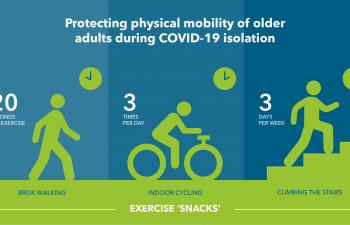
People aged 60 years and over are a vulnerable group with respect to the recent COVID-19 pandemic. Measures to protect older people from contracting the virus include personal hygiene practices, social distancing and staying at home. These are extraordinary measures, and while it is vital for public health that these are adhered to, they can… Read more »
Did you know older adults need much more protein than younger adults to achieve the same rate of muscle growth? Maintaining muscle mass as we age is key for staying active and independent, and is one of the main considerations for ‘healthy ageing’. This webinar reviews the state of the science on protein… Read more »
Ageing is an inevitable process affecting an increasing proportion of the world’s population due to increasing life expectancy worldwide. Delaying and/or reducing the rate of muscle ageing has been identified as a key strategy to minimise frailty and maintain independence in the elderly, with the goal of maximising quality of life during the golden years.
The taste of food changes as we get older, so products targeted toward aging populations require different taste profiles than other populations.