
Fiber

post-imgpost-img

The Rise of ‘FibreMaxxing’—and Why It Deserves Attention

‘Fibremaxxing’ Unpacked Anyone with a teenager is no stranger to the wave of curious trends that frequently emerge from social media, many of which revolve around the term ‘maxxing’.  However, the latest term ‘fibremaxxing’ has caught the attention of social media followers and the food and nutrition community alike. Protein has been such a huge… Read more »

post-imgpost-img

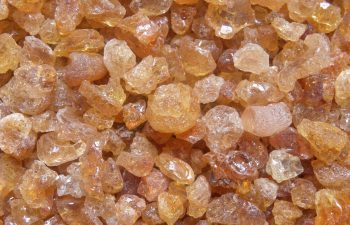
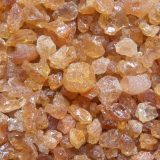
Acacia’s Role as a Functional Fibre

Choosing fibre sources can be difficult because different fibres have different health benefits as well as different functional properties in food. This article provides an overview of Acacia fibre, including its origin, high digestive tolerance, and examples of how it can help formulation of different foods and beverages.

post-imgpost-img

Whole Grains At-A-Glance

Whole grains are consistently linked to health benefits, yet few people around the world eat enough of them. Only 8% of adults in the United States meet their recommended intake, for example. The International Food Information Council recently published a great summary on whole grains that answers key questions like: What makes a whole grain… Read more »

post-imgpost-img

The FODMAP Diet for IBS – An FAQ

What is the FODMAP diet? The FODMAP diet is an eating pattern designed to help people with irritable bowel syndrome or other gastrointestinal discomfort choose foods that can help them with their symptoms like bloating and abdominal pain. Many consider it to be the next wave of the gluten-free trend. Researchers from Monash University in… Read more »

post-imgpost-img

Are Fermented Foods the Same as Probiotics?

Author(s): Mary Ellen Sanders, PhD

Consider the fundamental change from milk to brie cheese or grapes to wine. Such is the power of fermentation. Fermented foods result from the growth and metabolism of live cultures, transforming a precursor food (such as milk) into a fermented food (cheese). The fermentation process may result in changes in taste, texture, aroma, nutritional value,… Read more »

post-imgpost-img

Where Do Fibres Come From and What Role Do They Have in Food and Health?

Author(s): Bryan Le, MA

Dietary fibre has become an important functional ingredient in recent times due to growing consumer interest in the many health benefits of fibre touted by the scientific community (Anderson 2009).  Fibre has been recently defined by the FDA as “non-digestible soluble and insoluble carbohydrates (with three or more monomeric units) and lignin that are intrinsic… Read more »

post-imgpost-img

More Evidence for Whole Grain Benefits in Kids

Whole-grain consumption seems to have cardiovascular benefits in adults, but not as much is known about whole-grain benefits in children. Most of us eat do not eat enough wholegrains to get the health benefits from the whole range of nutrients they contain such as fiber, B vitamins, essential fatty acids, protein, antioxidants and other micronutrients… Read more »

post-imgpost-img

What Digestive Health Benefits Do Consumers Want?

Author(s): Caroline Cummins, MS, RNutr

This blog explores the consumer perspective and market of digestive health. Read What Does Digestive Health Really Mean? to learn more about digestive health and some of the terms used in this blog, like microbiome and FODMAPs. Optimum digestive health has been a mainstay consumer desire for over 20 years, but it has been experienced an… Read more »