Low-calorie beverages can be an important part of addressing high sugar and calorie intake, but many products do not succeed because key sensory factors are not addressed beyond sweetness. Tools from sensory and analytical sciences can be key to building back mouthfeel in beverages which have reduced levels of sugar.
Sensory Science
Addressing sustainable nutrition is top-of-mind globally, but optimising for nutrition and sustainability can impact taste of foods and beverages. Learn about the role of taste science in tackling challenges that come with sustainable nutrition initiatives like sugar reduction and plant-based eating.
Read a webinar summary in the article “Calorie reduction to become a “critical component” of future food design“. Consumers are often unaware of the energy density of the foods they consume, making them vulnerable to excess calorie consumption. As a result, initiatives to reduce the number of calories in foods and beverages are emerging globally,… Read more »
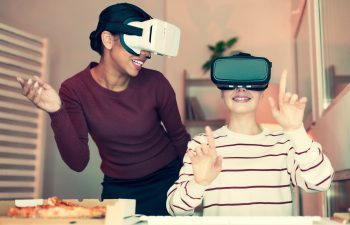
Key takeaways from Pangborn 2019: Eating experience and environment has a large impact on food preference. Researchers and those seeking to maximize food preference need to consider consumer experience, using immersive techniques (e.g. augmented reality) to collect more realistic data. Sensory cues can be used to design products that can help make the healthy choice… Read more »
Summary (scroll down for an infographic summary) Topics & Speakers Unlocking the Power of Phytochemicals – Beverages that Pack a Punch – Lisa Ryan, PhD, RNutr, Head of Department of Natural Sciences, GMIT Identifying the Opportunities Behind Nutritional Beverages Using Sensory and Nutritional Sciences– Benedict Lawlor, PhD, Director of Sensory, Consumer & Analytical Sciences,… Read more »
Sensory science could be seen as a traditional way to validate the sensory aspects of a food, or it could be seen as a way to strategically link nutrition to food choice. Ciaran Forde, PhD, a researcher in the area of sensory science and food choice, discusses why he thinks sensory science is evolving to… Read more »