

The Stripe Young Scientist & Technology Exhibition (YSTE) continues to be a beacon of creativity and scientific excellence, showcasing the next generation of innovators who are shaping the future. This year’s event brought together over 1,000 secondary school students from across Ireland, presenting 550 projects spanning artificial intelligence, climate science, mental health research, and sustainable… Read more »
Contributor
Kerry Health and Nutrition Institute
Science for Healthier Food
Go To Contributors Articles
The Kerry Health and Nutrition Institute was established by Kerry to bring the voice of science to some of the most challenging questions facing the food and beverage industry day to day through our network of over 1000 Kerry scientists, external collaborators, and our Scientific Advisory Council. Our content comes straight from scientists and experts in nutrition, taste, food, and sensory sciences to make sure we are providing up-to-date, credible information to guide people shaping the future of food.
We are delighted to announce that Professor Imed Gallouzi has been appointed as a Scientific Advisor to the Kerry Health and Nutrition Institute (KHNI). Supported by Kerry’s science and nutrition teams, the aim of the KHNI’s Scientific Advisory Council is to guide Kerry’s research and innovation teams on some of the fastest growing areas in… Read more »
The past decade brought a rise in sugar-related discussions amongst the food and beverage industry, public health officials, and the general population. While demand for sugar and sweeteners has never been higher, the need for sugar reduction has also continued to grow. Sugar, in the form of the carbohydrate glucose, is the primary energy of… Read more »
Earlier this year, Dr. Lisa Ryan, spoke at KHNI’s 2023 Health and Nutrition Trends webinar, highlighting the pivotal role of cognitive health in tying together various wellness trends. Emphasizing that mental well-being is the foundation for achieving desired activity levels and daily routines, Dr. Ryan stressed the impact of the pandemic on prompting reflection about… Read more »
October 18th is World Menopause Day. It’s a day to come together an recognise the significance of menopause in the lives of women worldwide. With the importance of Women’s Health across the life stages, we would like to share key insights from our women’s health webinar that explored the intricate relationship between menopause, health,… Read more »
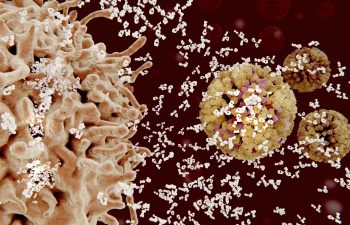
Nutrition and immunity can be a difficult space to navigate. Vitamin C, zinc, probiotics, beta glucans, and selenium are among the most common nutrients or ingredients used for supporting immune health. Supporting immunity with functional ingredients is top-of-mind for many people around the world, but how do you know which ingredients and nutrients are actually… Read more »
A new study found that consuming a high number of refined grains, such as croissants and white bread, poses risks for heart health. Increasing whole grain intake is a major opportunity to improve public health.
How much does sustainable nutrition messaging about upcycled ingredients impact purchase intent? Learn about the findings of a recent study.
School lunches are a vital source of nutrition for children from low‑income families worldwide, and milk can be an important component of this support. Milk provides high‑quality protein for growth, along with calcium for bone development, B vitamins, and vitamin A for eye health. However, ensuring access to safe milk in school lunches—particularly in developing countries—can… Read more »
A hormone that influences when and how frequently animals eat also appears to affect memory, USC scientists have found. Animals and humans have the hormone ghrelin in their stomachs. Ghrelin tells animals as well as humans when they are hungry and helps regulate their metabolism, but scientists have never been certain how exactly it works.… Read more »
The boom in microbiome research in recent years has led to a greater understanding of how we interact with the microbes that live in the human body. It has also brought a multitude of different ways to manipulate the microbiome to improve health along with it, including probiotics, prebiotics, and now the postbiotics. Probiotics are… Read more »
What does Vitamin C do for the immune system? Vitamin C is one of the most common nutrients that comes to mind when thinking about immunity. It is a water-soluble vitamin that serves as a cellular antioxidant, which means it protect cells from reactive oxygen species and cellular damage. This includes protecting immune cells from… Read more »
Beta glucans are ingredients that are becoming more and more common to see in functional foods and beverages positioned for immune health. While many people might be aware of the role of oat beta glucans for heart health, beta glucans are not just for heart health. For example, there are numerous clinical studies showing the… Read more »
Probiotics are not just for digestive health. The gastrointestinal tract is where our body is able to determine which parts of the foods we eat should be allowed passage into our body, and which should not be allowed entry. We want to absorb nutrients from the food we eat, but we do not want to… Read more »
What does selenium do for the immune system? Selenium is important in the immune system’s ability to protect against infection. Selenium is a mineral that is important for a group of proteins called selenoproteins, which have quite a few different functions in the body. Some selenoproteins, called glutathione peroxidases, are important for the body’s antioxidant system,… Read more »
The immune system is complex, and different nutrients can have different roles in supporting immunity. Zinc is one of the more common nutrients brought up in the immunity conversation, so let’s take a look at what it does. What does zinc do for the immune system? Zinc helps the body’s different defense cells develop and… Read more »
The recent Kerry Health and Nutrition Institute white paper, Umami: The Taste that Perplexes, has inspired numerous conversations in the food and beverage media on topics ranging from plant proteins to nutrition for healthy ageing. As the fifth taste, umami is a flavor seeing increasing popularity and interest around the world. Authored by Dr. Nancy… Read more »
Whole grains are consistently linked to health benefits, yet few people around the world eat enough of them. Only 8% of adults in the United States meet their recommended intake, for example. The International Food Information Council recently published a great summary on whole grains that answers key questions like: What makes a whole grain… Read more »
A new study published in the journal Obesity Reviews finds the answer seems to be “yes”, sugar taxes are working. The analysis showed that the equivalent of a 10% tax on sugar-sweetened beverages (SSB) is associated with an average of a 10% reduction in beverage purchases and dietary intake of SSBs. The systematic review and… Read more »
The Kerry Health and Nutrition Institute are delighted to announce that Maria Marco, Ph.D. has been appointed as a Scientific Advisor to the Kerry Health & Nutrition Institute. Supported by Kerry’s science and nutrition teams, the aim of the Kerry Health and Nutrition Institute’s Scientific Advisory Council is to guide Kerry’s research and innovation teams… Read more »

What is the FODMAP diet? The FODMAP diet is an eating pattern designed to help people with irritable bowel syndrome or other gastrointestinal discomfort choose foods that can help them with their symptoms like bloating and abdominal pain. Many consider it to be the next wave of the gluten-free trend. Researchers from Monash University in… Read more »

Germany recently approved an initiative called the National Reduction and Innovation Strategy focused on introducing voluntary reduction targets for the amount of salt, sugar, and fat in food. The government is working with industry players to determine what the reduction targets will be in early 2019, with the goal of achieving the targets by 2025.… Read more »
A new study identifies gaps in the diets of infants and toddlers, which gives insight on what nutrients can be added to food and beverages to improve the health of these age groups. Infants and toddlers are rapidly growing and developing, and have unique nutrition needs as a result. Despite many products existing that… Read more »
In this blog we round up the great content on nutrition and exercise on the Kerry Health and Nutrition Institute
In a study published in the journal Rheumatology, researchers examined the role between nutrition and osteoarthritis. Osteoarthritis is a condition driven by inflammation, resulting in joint pain. It is one of the fastest growing causes of disability worldwide. Here’s what the researchers found to be effective at reducing osteoarthritis symptoms. Fish oil Omega-3 fatty acids… Read more »
‘Is there any difference between the iodine statuses of breast-fed and formula-fed infants and their mothers in an area with iodine sufficiency?’ This was the question researchers attempted to answer in a study published in the British Journal of Nutrition. What they found was that breastfed infants, formula-fed infants, and even the mothers all had… Read more »
Science shows that avocados may benefit heart health by increasing our HDL cholesterol. Avocados and other foods high in monounsaturated fats are often part of heart health recommendations as a replacement for foods high in saturated fats. A new scientific review published in the American Journal of Clinical Nutrition, which included 18 studies, explored the… Read more »
In the healthcare process, many professionals have the opportunity to give dietary advice to help a patient improve a condition like high blood pressure. Due to the complex relationship between nutrition and conditions like hypertension, the presence of dietitians on multidisciplinary care teams leads to better results than when a dietitian is not present, according… Read more »
Numerous countries across the globe have initiated actions to reduce sugar intake, including reformulation, targeted taxation, front-of-pack labeling, and more. Initiatives to reduce sugar content of foods can be dependent on the supply chain being able to support such changes. The World Health Organization recently undertook a novel food supply chain analysis to identify possible… Read more »
“The body’s intestinal barrier function allows for the absorption of things like nutrients and water, while simultaneously maintaining an effective defense against toxins and pathogens that can be harmful to our health,” explained Donald Cox, Ph.D., Kerry’s Director of R&D for Wellmune. “While these are preliminary results and more research is needed, Wellmune may protect… Read more »
Trends in the food and beverage industry are moving more and more toward the idea of ‘natural’, including eating less processed food. This can leave many of us wondering ‘what is the role of processed food for my nutrition?’ A scientific statement in the American Journal of Clinical Nutrition titled Processed foods: contributions to nutrition… Read more »
Could fat be the key to maintaining flavor when modifying sugar or salt levels in food? A new study in the journal Food Quality and Preference explores the impact fat content has on liking of soups and custards with varying levels of fat, sugar, and salt content. Researchers provided study participants either creamy tomato soup… Read more »
Sugar taxes have seen news coverage in recent years as a way to decrease sugar intake, but a new study found potential merit for additional price changes to improve health. A study from Tufts University published in BMC Medicine found that changing the price on 7 foods by 10% could prevent an estimated 23,000 deaths per… Read more »
A new study in the Journal of Nutrition found that carbohydrate taste sensitivity is associated with starch intake and waist circumference in adults. Individual differences in taste sensitivity and the role of taste in promoting intake of specific foods or ingredients associated with obesity have long been investigated but results are mixed. Results from this new… Read more »
Worried about holiday weight loss? A new study shows that our scales may not be giving us the whole picture. A long-term diet study published in the journal Circulation used MRI imaging technology to map the differences in where people store fat during 18 months of low-carb (Mediterranean-style) or low-fat diets, with or without moderate… Read more »
Weight gain is something that can impact everyone around the winter holidays. In an article titled Moving Beyond Holiday Weight Gain, Rachel Cheatham, PhD offers some tips to help give us some control over the winter weight gain. Dr. Cheatham’s tips include taking a pause before picking up sweet treats, being mindful about which foods… Read more »
A new study shows that sensory impairment (loss of taste and smell perception) is associated with frailty in aging populations, which can lead to increased risk of fractures and loss of quality of life. Loss of appetite and/or reduced food intake associated with ageing, has been suggested as a risk factor for frailty. Impairments of… Read more »
A newly published clinical study with adults at an average fitness level shows improvement in immune health both during and after strenuous exercise when taking Wellmune®, an immune health ingredient found in food, beverages, and supplements. The study, titled “Oral Supplementation with Baker’s Yeast Beta Glucan Is Associated with Altered Monocytes, T Cells and Cytokines Following… Read more »
A presidential advisory from the American Heart Association/American Stroke Association proposes definitions for optimal brain health in adults. Cognitive function is an important component of aging and predicts quality of life, functional independence, and risk of institutionalization. Cardiovascular disease risk factors have been shown to be closely associated with cognitive impairment and dementia. Because many… Read more »
In one of the largest microbiota studies conducted, researchers suggest a potential link between healthy aging and a healthy gut. The results showed a direct correlation between health and the microbes in the intestine. The overall microbiota composition of the healthy elderly group was similar to that of people decades younger, and the gut microbiota… Read more »
A new study found that many medical students lack the knowledge to properly counsel patients on nutrition, yet still feel confident to provide recommendations to patients. This is a concerning combination, since primary care physicians are a main source of health-related information for much of the population. Specifically, the study found only 12% of students… Read more »
Ever heard of ketones? You may have heard someone mention them when talking about low-carb, ‘ketogenic’ diets. Ketones are an alternative fuel source for our bodies. Under normal conditions, our bodies use glucose (sugar) for energy. That’s right, despite the low-carb craze in recent decades, our body’s main fuel source is carbohydrates! Ketones are made… Read more »
The most cutting edge nutrition and food science research around the globe is conducted in university laboratories, but did you ever wonder what happens to this research once it’s published in a journal? Who uses it? Does it just collect dust? How do the benefits shown in the research make it to consumers? Or do… Read more »
October 16th is World Food Day, a celebration of the founding of the Food and Agriculture Organization (FAO) of the United Nations. The goal of World Food Day is to improve awareness of hunger worldwide, and encourage action by those who can help. According to the FAO: The world produces enough food to feed everyone,… Read more »
A regulatory update for the United States brings welcome news to food manufacturers: extra time to implement the new nutrition facts labels, which include additions like added sugar, new serving size requirements, and a changing definition of fiber, initially proposed by FDA in 2016. The FDA is currently accepting comments on a decision to extend… Read more »
Frequent snacking throughout the day rather than eating at dedicated mealtimes, sometimes called grazing, may have an impact on diet quality and health. In a study recently published in the American Journal of Clinical Nutrition, Australian researchers from the Institute for Physical Activity and Nutrition at Deakin University set out to understand how the timing of… Read more »
Do vegans have healthier eating and health behaviors than omnivores? A recent study in the journal Appetite found that health behaviors don’t differ much between them. People who choose to be vegans (not consume any animal products) could choose to do so for reasons ranging from ethical to health-related. However, there isn’t much research to… Read more »
Clean, natural, and organic are popular words we see on food packages aimed to guide shoppers toward healthy products. In this article in the latest issue of Today’s Dietitian, health educators weigh in on the free-from trend. Dietitians are consumers’ most trusted source of health information (2017 Food & Health Survey) and are the health professionals responsible for… Read more »
‘No artificial colors’ is a quality of food and beverage becoming more and more in demand, which can make a couple of questions come to mind. First, ‘are artificial colors safe?’ and second, ‘what do we use for coloring, instead?’ Kathleen Zelman, MPH, RDN, recently provided answers to both questions in her article Color Additives in… Read more »
New research shows that indulgent labeling of healthy food leads consumers to purchase it up to 41% more than other labeling methods. Increasing vegetable intake is one of the most confident recommendations for health a dietitian could make, but most of us know we should be doing it already. The challenge is always making the… Read more »
Whole-grain consumption seems to have cardiovascular benefits in adults, but not as much is known about whole-grain benefits in children. Most of us eat do not eat enough wholegrains to get the health benefits from the whole range of nutrients they contain such as fiber, B vitamins, essential fatty acids, protein, antioxidants and other micronutrients… Read more »
‘Free-from’ trends like gluten-free and lactose-free are becoming increasingly common with consumers, leaving many scientists and health practitioners scratching their heads. After all, the rate of diagnosed food allergies aren’t increasing. Nevertheless, gluten-free has grown to an industry worth almost $2 billion. If you speak to a dietitian about the role of ‘free-from’ foods in… Read more »
The association between eating red meat and risk of developing colon cancer has been of great interest over recent years. In a recent systematic review, researchers tried to establish if there is a plausible link based on experimental data. A key finding of the review was that red meat intake may not have a causative… Read more »
Looking to protect your heart health? A new study published in the British Medical Journal found that a gluten-free diet is not the answer, assuming you do not have Coeliac Disease. These days, gluten-free diets have become a popular trend. Although Coeliac Disease rates are not “on the up” (less than 1% of the population… Read more »
Ancient Grains are a group of grains from plants like quinoa, millet, and sorghum. Consumer demand for ancient grains has grown fast, in part, because of consumers’ perceived “sensitivities” to grains that contain gluten. According to new research in the International Journal of Food Sciences and Nutrition, eating bread made with ancient grains as part of a… Read more »
A resource providing antioxidant content for over 3000 foods and beverages is only becoming more relevant with time. Antioxidants continue to be a hot topic in nutrition science and with consumers. Research studies have shown potential roles of antioxidants in improving cardiovascular health, cognitive health, and exercise performance, to name a few. As demand for… Read more »
Is your probiotic-containing food providing you the benefit you think it is? A recent review conducted by professors at the University of Toronto and published in the journal Nutrients, found that, although most probiotic food products contain bacterial strains that have been shown to have health benefits, the amount of probiotic bacteria contained in foods is often much lower… Read more »
With June underway, you may have seen more information about dairy than you’re used to in other months. June 1st is World Milk Day and June is National Dairy Month in the United States, which might make some of us wonder what’s the big deal with dairy? Dairy is included in many global dietary recommendations… Read more »
Energy is a top functional benefit consumers seek from food and beverages, and one ingredient we all strongly associate with energy is caffeine. This has led to a surge of products in non-traditional categories containing caffeine, from energy bars to potato chips. This gives us plenty of choices to get our caffeine buzz, but could… Read more »
Food & Nutrition magazine covers stabilizers, thickeners, and gelling agents and their role in food.
A study recently published in the clinical journal Nutrition hints at the potential for Wellmune to improve general immune health during ageing.
New research shows dark chocolate may reduce the oxygen cost of exercise
The benefits of probiotics may extend to improving quality of life for allergy sufferers.
Food and Nutrition magazine continues their educational piece on food additives with a dive into food preservatives.
Learn about the role of food additives and regulations in place to ensure their safety.
In 2010, Australia implemented a number of taxes on unhealthy foods alongside subsidies on fruits and vegetables. A new study in the journal of PLOS medicine reveals that Australia could save AUD $3.4 billion (USD $2.3 billion) in healthcare costs. The greatest impact, the researchers concluded, came from a sugar tax, which could avert 270,000 years… Read more »
Although most parents understand the importance of healthy eating for their children, only a third feel confident they are shaping these healthy behaviors for their kids.
Study of the Women’s Health Initiative cohort suggests that diets high in vegetables, fruits, fish, and whole grains may have anti-inflammatory effects that could help maintain bone mass and prevent fractures in some women.
The aging population is growing and is susceptible to “nutrition frailty”, which can decrease quality of life, mobility, and dependence in later years. This review identifies possible nutrition solutions to support resilience in aging.
The studies described here show that whole grains can improve energy balance, gut health, and immune health markers.
Alternative sweeteners have been determined to be safe for foods and effective at reducing calories, but consumption has been increasing and many consumers still seek to avoid them in their foods.
In our later years, loss of brain mass is a common occurrence and could impact cognitive health. This study describes a possible link between brain volume and diet.
Tips on finding realistic approaches to weight loss instead of fads that sound (and are!) too good to be true.
The holidays can be a chaotic time for healthy eating when the tide of tasty treats rolls in. Here are some dietitian tips to set you up for success.
Leucine is key when it comes to stimulating muscle protein synthesis, but all proteins contain different levels of this vital amino acid.
A recently published clinical study has found that Wellmune can protect children from illness.
Improving diet and lifestyle continues to be a vital component in the strategy to prevent cardiovascular diseases.
In May 20, 2016, the U.S. FDA took a major step in making sure consumers have updated nutritional information for most packaged foods sold in the United States to aid informed decision-making.
A recent review, Dairy Foods: Current Evidence of their Effects on Bone, Cardiometabolic, Cognitive, and Digestive Health.
One of the enduring health challenges with ageing is the loss of lean tissue mass or muscle. Protein is a critical nutrient for building muscle.
BELOIT, WI, ─ January 18, 2016 – Wellmune®, the immune strengthening bakers yeast beta glucan used in food, beverages, and supplements, helps to keep children significantly healthier by decreasing episodes of common childhood illnesses.
Read about strategies to approach the complex public health initiative of sodium reduction