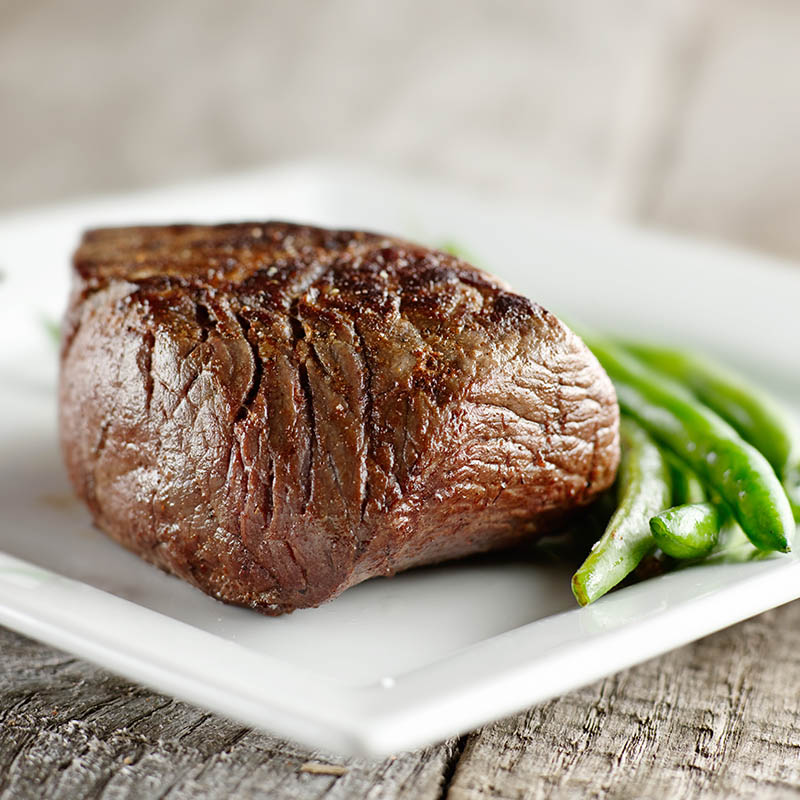
The association between eating red meat and risk of developing colon cancer has been of great interest over recent years. In a recent systematic review, researchers tried to establish if there is a plausible link based on experimental data. A key finding of the review was that red meat intake may not have a causative link with colon cancer when it’s part of a healthy diet pattern.
Many of the recommendations to limit red meat consumption are based on observational studies that show a correlation between red meat intake and colon cancer. However, the phrase “correlation does not equal causation” should come to mind and the best scientific evidence is able to be repeated in controlled experiments.
For more information about the debate on red meat’s link with cancer, check out our blog “Red Meat Can Still Be ‘What’s for Dinner'”.
The team conducting the review focused on experimental studies, either in vitro or in animal studies, and reported that most studies looking into this research area used amounts of meat or meat components that are much higher than typically present in the human diet. Researchers stated that the current guidelines to reduce meat consumption in order to protect against colon cancer risk are based on data from studies where meat consumption is elevated and consumption of fruits, vegetables, and whole-grains are reduced.
On the other hand, experiments where protective dietary compounds were used to counteract the extreme levels of meat and meat-derived compounds showed protection against colon cancer, with some essentially negating the impact of meat in the diet. The study concluded that there is currently insufficient evidence to validate a mechanistic link between red/processed meat consumption and colorectal cancer risk, and also adds even more reason for everyone to get their ‘5 a day’ of fruits and vegetables. The researchers also concluded that it is important for properly designed studies to be conducted using appropriate concentrations of meat or meat-derived compounds in complex diets representative of human dietary patterns.