The path to conception often takes much longer than expected. On average, couples spend 6.8 years from deciding to have a child to achieving pregnancy. Of this, approximately 3.6 years are spent trying to conceive naturally—more than three times longer than the period recommended by the World Health Organisation before seeking medical advice for infertility.
Infertility affects millions of individuals worldwide and remains one of the most emotionally and medically challenging conditions in reproductive health.
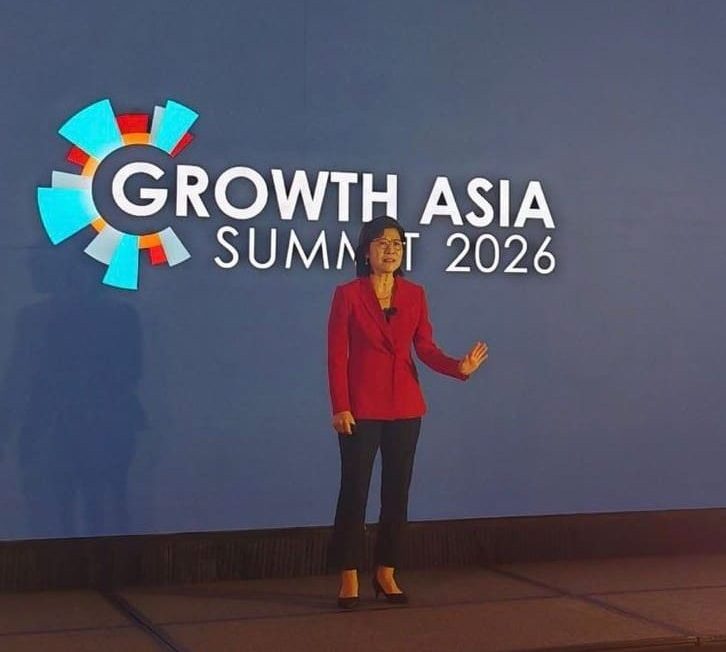
At the recent Growth Asia Summit 2026 in Singapore, Dr Celia Ning, Senior Director of Scientific Affairs at Kerry, presented From Hormonal Chaos to Cycle Confidence: Creating the PMOS and Fertility Ecosystem.
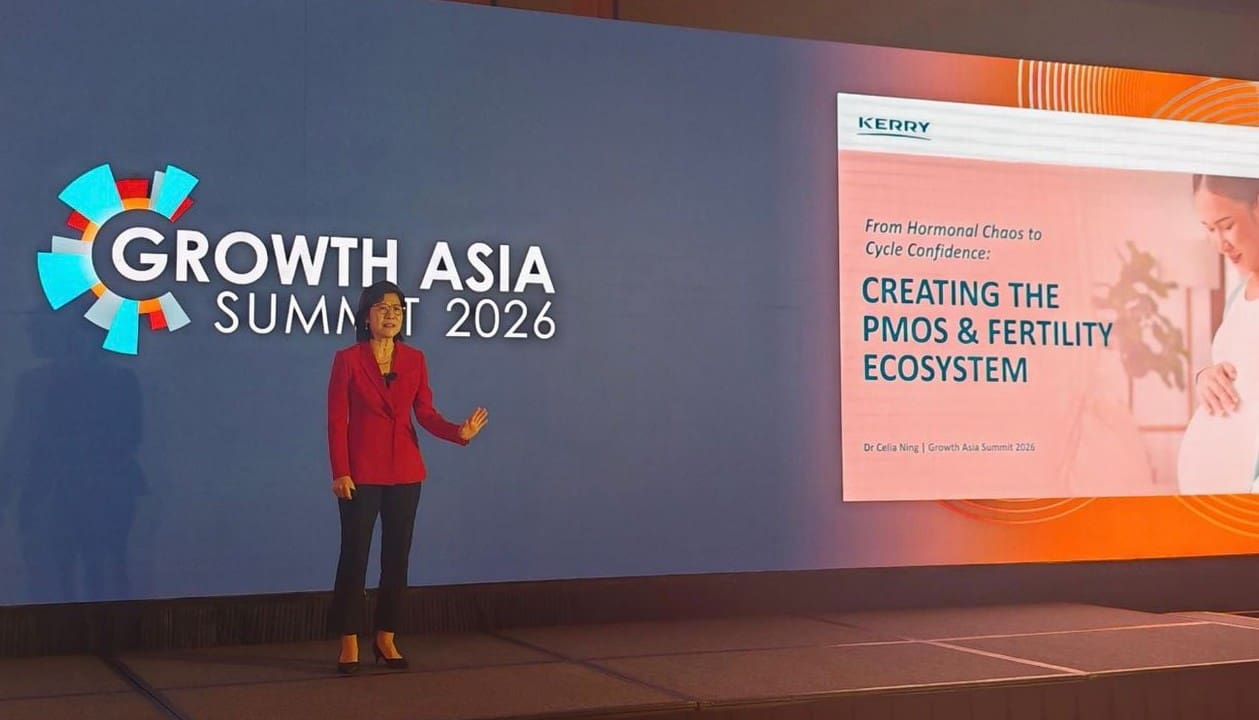
Celia highlighted that female infertility is an increasingly significant health concern across the Asia‑Pacific (APAC) region, shaped by a unique combination of metabolic, environmental, immunological and demographic factors.
Among these, polycystic ovary syndrome (PCOS), most recently re-named a Polyendocrine Metabolic Ovarian Syndrome (PMOS), is one of the most prominent contributors, affecting an estimated 10–13% of reproductive‑aged women.
The key characteristics of PMOS and treatment strategies for female infertility and PMOS in APAC were presented. Dr Ning emphasised that current PMOS treatments should combine:
- Lifestyle and nutrition interventions
- Pharmacological options
- Assisted reproductive technologies.
Although PCOS treatment approaches in APAC are broadly aligned with international guidelines, Dr Ning highlighted that variations in healthcare infrastructure and cultural influences can affect timely access to care and treatment uptake.
Combined with the region’s distinct metabolic profiles, evolving lifestyles, and varied environmental exposures, these factors may be contributing to the rising prevalence and impact of PMOS-related infertility across APAC.