What are Enzymes?
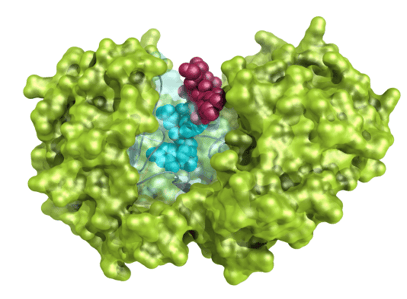
Enzymes are proteins produced by all living organisms. They are biological catalysts which conduct all biochemical reactions.
This is a natural part of physiological processes essential for growth and allow life. When your body wants to transform food such as starch in bread or pasta into energy enzymes are used to convert the starch to simple sugars which can be used by your cells.
Enzymes are efficient, and specific performing typically only one defined reaction over and over again. The fact that they come from nature means that they act at specific pH and temperature conditions/ranges, which make them sustainable and biodegradable alternatives to chemical processing in the food industry.
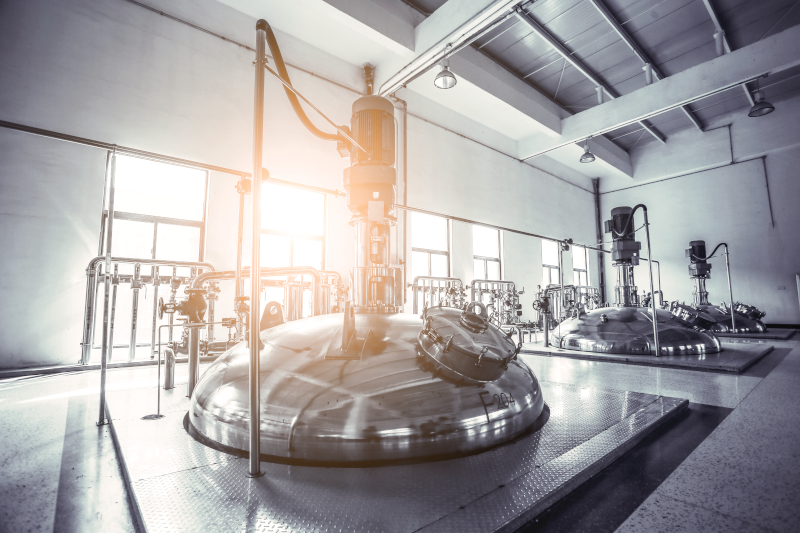
Industrial enzymes can be extracted from plants or produced by microbial fermentation and purified.
Why are Enzymes in Food?
Enzymes have been used in food production for thousands of years. Our early ancestors discovered that cows stomach could turn milk into cheese.
Today, we use enzymes in food to manufacture of everything from bread, wine, beer, juice and dairy processing and much more besides.
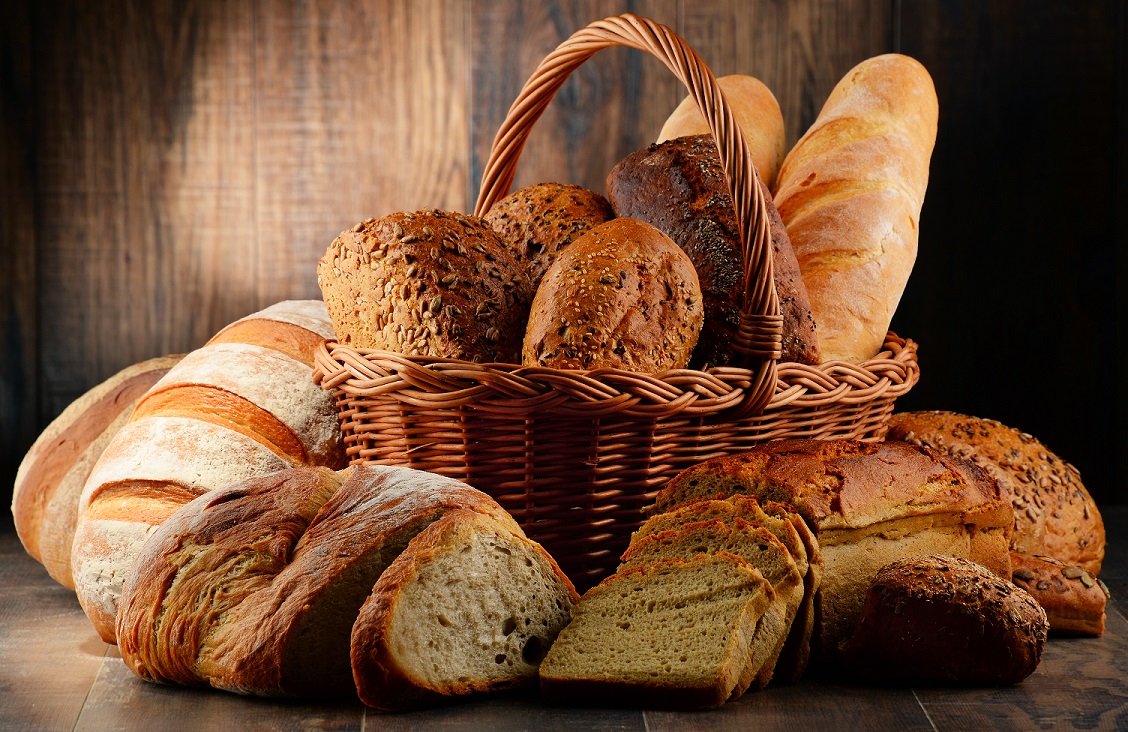
In the bakery industry, different type of enzymes can be used as a natural way to keep bread softer for longer, enhance dough tolerance during processing or allow for reduction the egg content.
Enzymes also enable manufacturers to use local grains like cassava to make beer and make dairy products suitable for those with lactose intolerance.
Sustainability Benefits of Enzymes in Bakery
In the bakery industry, different type of enzymes are a natural way to optimize raw material performance despite varying/seasonal quality, enhancing manufacturing efficiencies, softness, moistness, antistaling or desirably sensory properties of baked goods over extended shelf life, reducing additives and energy usage, food loss and food waste, with sustainability benefits.
A recent environmental footprint estimated calculation found that (www.epa.gov) just 1 loaf of bread releases 1.15kg of CO2 emissions and uses 194L of water, which is equivalent to the same CO2 emissions from fully charging 140 smart phones and 2 average daily showers.
Delving deeper into food waste, according to United nations environment programme up to 10% of GHG are linked to uneaten food, and 30% of all food produced in wasted, costing the global economy over $900 billion per year.
More especially the various type of bakery enzymes are offering different functionalities. Maltogenic amylase allows to keep bread softer for longer, to extend shelf life, by improving product sensory characteristics and appearance over longer shelf life, prolonging the onset of staling characteristics and reducing likelihood of food being wasted at home.
Xylanases are known to improve dough tolerance during processing. Asparaginase, to make baked good healthier by reducing the acrylamide content.
Some phospholipases allow to successfully reduces egg content by up in fine bakery applications such as muffins, stirred cakes, whipped cakes, croissants, donuts and brioche, with no change in dough handling or crumb structure versus a full egg recipe, eggs being crucial to bakers because of their specific functional properties and unique contribution to finished product sensory attributes: texture, softness, crumb structure, taste, including “binding”, “aeration”, “emulsification” and “colour”.
How Can Enzymes be Used for Nutrition & Health?
Digestive Enzymes – Reducing Lactose Intolerance Symptoms with Lactase
Lactose, the sugar found in dairy products, can cause problems like bloating and other gastrointestinal discomforts in people with lactose intolerance.
Lactose intolerance affects a significant amount of people worldwide, especially in places where dairy farming is not common. The incidence of lactose intolerance can be as high as 75% of the population in these areas.
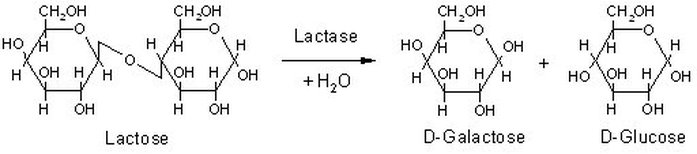
Enzymes can help lactose intolerant individuals enjoy dairy products with minimal side effects. Lactose is a sugar made of two smaller sugars: galactose and glucose (see figure below).
These sugars have a greater relative sweetness than lactose meaning that lactose free or low-lactose products that have been made with the lactase enzyme are sweeter in taste than those not treated with lactase.
In the food industry this can allow dairy products like yoghurt to be made with a reduced amount of added sugar but with the same taste profile.
Lactase is an enzyme that cleaves lactose into these two smaller sugars, neither of which cause the negative side effects of lactose in those with lactose intolerance. This is why you see the ingredient ‘lactase’ in lactose-free milks, for example.
Digestive Enzymes – Helping Infants Digest Formula
It is recommended by the world health organisation that infants be exclusively breastfed for the first six months of life so as to give the infant the greatest chance of achieving optimal growth, development and health, but for cases where this is not realistic or possible, infant formula is required.
Some infants have a hard time digesting certain types of formula, but enzymes can help in a few ways.
Comfort Protein – Infant Milk Formula (IMF)
Comfort infant formulas are made with partially hydrolysed milk proteins which are marketed as “easier to digest” infant formula made from cows milk.
These formulas can be produced using natural enzymes, called proteases, which target proteins and are derived from animal, plant or microbial sources.
Hydrolysis of milk proteins by proteases results in the formation of smaller peptides which are reported to be more readily digested than intact proteins.
In particular, parents of infants suffering from conditions such as colic, cite the use of comfort protein as reducing the severity of symptoms.
Hypoallergenic Formulas (IMF)
Most common IMFs use cow’s milk as a base, but a small percentage of infants are born with cow’s milk protein allergy (CMPA).
Formulas sold to address this condition can be divided into two types – those which are extensively hydrolysed (peptide-based) and those which are amino acid based.
Extensively hydrolysed proteins for this application are produced via enzymatic hydrolysis where the protease enzyme extensively breaks down the structure of the whey and/or casein protein to smaller peptides.
From the American Academy of Family Physicians: “Hypoallergenic formulas contain extensively hydrolyzed proteins that are less likely to stimulate antibody production. Infants with milk protein allergy fed hypoallergenic formula have slightly greater weight gain during the first year than infants fed standard formula. In addition, many infants show improvement in atopic symptoms. A few infants continue to have symptoms despite switching to hypoallergenic formula; nonallergenic amino acid–based formulas are effective for these rare cases.”
Enzymes for the Plant-Based Trend
The market for nutritional beverage is growing and cereal based beverages such as Horlicks, Bournvita, etc. have traditionally been very popular in certain markets.
The plant-based beverage market has continued to grow with milk-alternatives like soy or oat milk.
Enzymes are often used to help make these beverages more acceptable to consumers. For example, plant-based beverages like oat or rice milk can have poor emulsion stability, meaning products might separate out over their shelf life instead of remaining a consistent mixture.
Enzymes like amylase can help improve stability of the product. Much like lactase, amylase can also reduce the need for added sugar because the products of starch hydrolysis are sweeter than the starch itself.
If high viscosity is caused by high molecular weight (Mw) beta-glucan, as in the case of a beverage like oat milk, beta-glucanase can be used to make an easier to process, less viscous product.
However, since beta-glucan is the fiber associated with health benefits in oats, cleaving beta glucan with an enzyme would likely reduce the potential health benefit. If health benefits and fiber content are a focus, beta glucanase may not be the best solution.
Making Plant-Based Protein Hydrolysates Taste Better
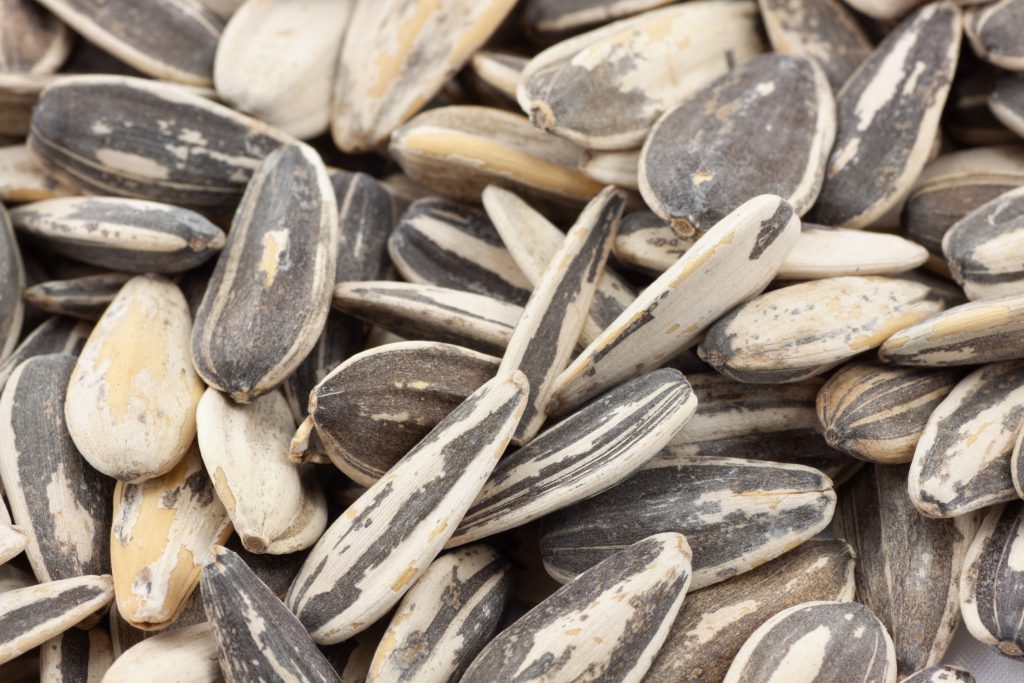
With the rise in demand for plant-based proteins, there has been an increased demand for inexpensive plant-derived protein hydrolysates, owing to their significant potential in nutritional applications.
Hydrolysed plant protein (HPP) is most commonly produced via the enzymatic hydrolysis of a plant protein source such as soy, wheat, rice, sunflower, potato and alternative pulse proteins, and are used in a wide variety of food applications such as protein fortified bars and beverages.
Protease enzymes are most commonly used in the production of HPPs and under controlled conditions are used maximise protein yields from different plant sources and also to improve taste and sensory attributes.
From a commercial standpoint, plant proteins maintain unique taste attributes, and today’s HPP products are synonymous with bitter, unpleasant tastes often attributed to a high concentration of hydrophobic free amino-acids, smaller peptides and volatile compounds in the HPP mixture.
Enzymatic hydrolysis, both pre- and post-hydrolysis can help to significantly improve these undesirable sensory properties of HPPs.
This article was originally published on 15 September 2020. It was updated 19 June 2023 to reflect new information.