Enzymes are used in food processing as a natural way to improve nutrition and texture. Learn about their importance in plant-based foods, infant formula, and more.
 With over 25 years of experience in the enzymes, bioprocess, functional and nutritional food ingredients & feed additives industry, Jacques has undertaken various technical and leadership roles.
His goal within Danone R&I is delivering breakthrough innovations & processes with collective successes.
During his career, he has been in roles with responsibilities in the field of the microbiology, microbe engineering, synthetic biology, enzymes discovery, enzymes engineering, applied enzymology (food, feed and TEC), biotechnologies, USP and DSP bioprocess development/improvement, industrialization, and manufacturing at larger scales, innovation portfolio management, M&A projects, and by overseeing/mentoring R&D teams .
Jacques has a PhD in Biochemistry, a Masters in Innovation Management, and certification in cGMP.
Enzymes are used in food processing as a natural way to improve nutrition and texture. Learn about their importance in plant-based foods, infant formula, and more.
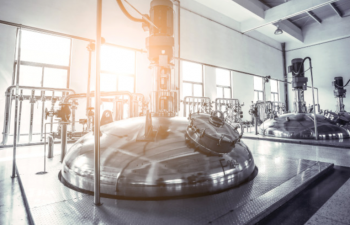
Microbial fermentation has been used for years in the food industry to produce ingredients such as enzymes and in the biopharma industry. The transformative capability of microbial fermentation is deeply rooted in human history, with evidence showing humans have been leveraging fermentation for more than 5000 years. Will fermentation, the oldest food processing technique, power the future of the food industry?