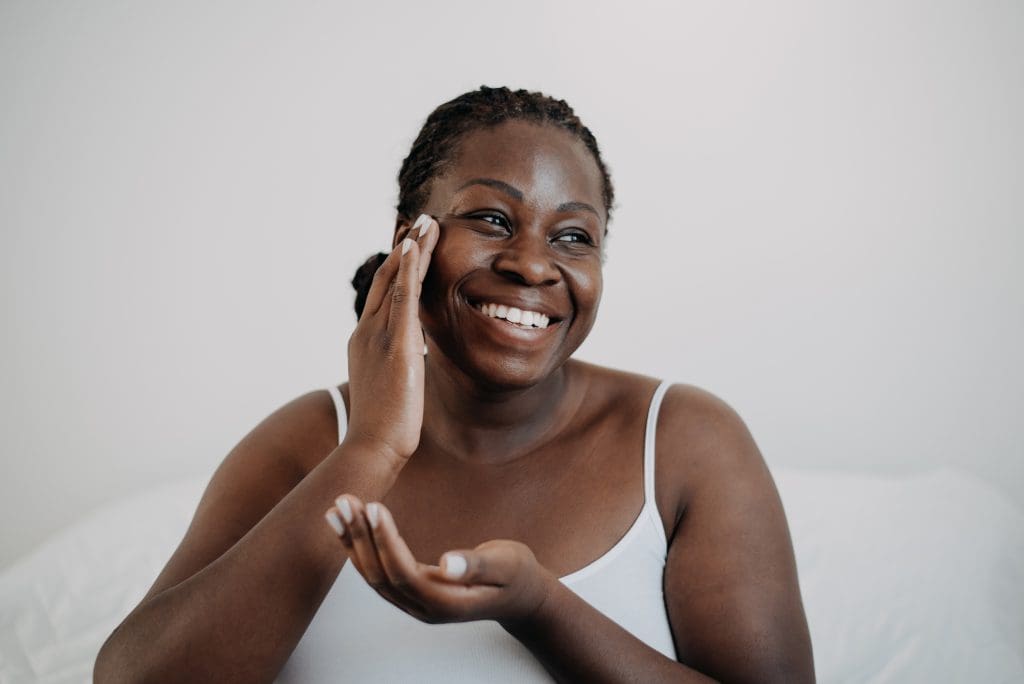
The idea of “beauty from within” has been around for some time. The concept focuses on the role of nutrients or other dietary compounds, referred to as skin nutraceuticals, in supporting skin health, reducing visible signs of ageing and helping to protect the skin from sun damage.
This trend continues to grow, with Mintel1 predicting that consumers are now looking beyond appearance – with metabolic health emerging as a key factor in nourishing “beauty from within”.
Skin: Structured for Success
Skin is the largest organ in the human body, acting as a protective barrier against pathogens, allergens, environmental toxins and irritants. In addition, the skin is involved in detecting invaders and alerting the immune system to shield it from harm2.
It is also responsible for maintaining normal body temperature, producing vitamin D and allowing us to interact with our environment by sensing touch, heat, cold and pain.
The skin in made up of three layers – the Epidermis, Dermis and Hypodermis.
1. Epidermis
The epidermis acts as the main barrier and is involved in making and replacing cells approximately every 30 days. The main cells present in the epidermis are keratinocytes which produce the protein keratin and lipids essential for forming the epidermal water barrier.
The epidermis contains melanocytes that produce the pigment melanin to protect skin against the sun’s harmful ultraviolet (UV) rays. Immune and sensory cells are also found in this layer2.
The capacity of antioxidants in the human skin has been found to be higher in the epidermis than the dermis- not surprising in view of its protective function3.
2. Dermis
The dermis makes up 90% of skin’s thickness and contains the proteins collagen and elastin, as well as glycosaminoglycans (GAGs). Collagen makes skin cells strong and resilient while elastin keeps skin flexible due to its ability to revert to its original state and GAGs provide structural support.
Oil glands, hair follicles and sweat glands are also located in this layer. The dermis is highly vascularised allowing nutrients to enter and waste to leave.
3. Hypodermis
This fatty layer cushions muscles and bones from injuries or falls but also contains connective tissue to connect the layers of skin to muscles and bones. It contains larger blood vessels and nerves that provide essential support to the upper layers of the skin4.
What is the Difference Between Skin Ageing Versus Photoageing?
As skin ages, it gradually changes in structure and function, affecting its appearance, strength, hydration, elasticity and ability to repair itself (Figure 1). These changes arise because of both natural biological ageing factors such as time, hormones, genetics and external factors such as UV radiation, pollution, smoking and lifestyle habits.
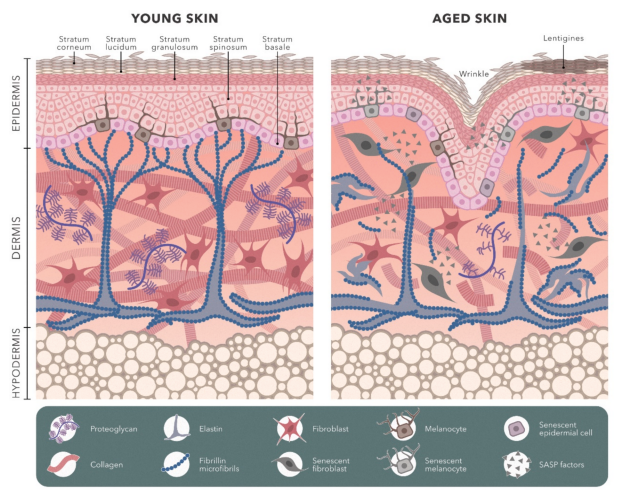
Figure 1. Schematic Representation of the Skin Ageing Process. Gürtler et al5, under the terms of the Creative Commons CC-BY license.
For example, the activity of fibroblast cells declines with age, reducing collagen production which leads to wrinkles and loss of skin elasticity. By 80 years of age, collagen production has been shown to decrease by 75% in comparison to that of young adults6. The epidermis also becomes thinner over time because skin cell turnover slows, resulting in more fragile skin7.
Exposure to UV radiation causes oxidative stress in the skin by generating free radicals and reactive oxygen species which contribute to DNA damage, photoageing, immunosuppression and skin cancer development. UV radiation upregulates collagen-degrading matrix metalloproteinases (MMP’s) in human skin, resulting in increased collagen fragmentation resulting in loss of structure8.
Photoageing accounts for 80% of facial ageing with the presence of deeper wrinkles, rough texture, dyschromia (i.e. abnormal discolouration or uneven patching of the skin) and a greater loss of elasticity compared to chronological ageing9. Whereas chronological ageing is less preventable and more systemic, photoageing is largely preventable.
As skin ages, some cells permanently stop dividing but remain metabolically active and can release inflammatory signals that can contribute to ageing and chronic inflammation. These are referred to as senescent cells (or “zombie cells”).
Increasing evidence suggests that senescent cells accumulate in both chronologically aged and prematurely aged skin10. Beyond the cosmetic, the changes in skin as we age are also linked to the impairment of wound healing11 and diminishing immunosurveillance12 , potentially increasing the risk of infection or inflammation.
What Role Do Nutrients Play in Skin Health?
Skin changes are often an early warning signal for dietary deficiencies. For instance, vitamin C deficiency produces bruising and bleeding gums, zinc deficiency leads to cracked mouth sores, vitamin A deficiency to dry, bumpy skin and selenium deficiency to poor wound healing13.
Although nutrition-related skin conditions are often associated with developing countries, evidence suggests they may be underdiagnosed in Western healthcare settings13,14. Deficiencies have been linked to popular dietary trends including ketogenic, carnivore and raw vegan diets15 and risk factors such as chronic liver disease, alcoholism, psychiatric illness, bariatric surgery and inflammatory bowel disease13.
Nutrients support skin health through multiple mechanisms: proteins provide the building blocks for skin structure and repair and essential fatty acids help maintain the skin barrier and hydration16.
The essential role of certain vitamins (vitamins A, B2, B3, C, biotin) and minerals (iodine, zinc, copper) in maintaining normal skin have been recognised to the extent that there are approved health claims in the European Union17 and in Australia and New Zealand18, subject to conditions.
Other nutrients like vitamin E and selenium play a key role in protecting cells from oxidative stress. Vitamin E is the primary lipophilic antioxidant in the skin, present at approximately 90% higher concentration in the epidermis versus the dermis3.
Vitamin C is also found in higher concentrations in the epidermis and helps to curtail lipid oxidation by regenerating fat-soluble vitamin E. Together, these nutrients help maintain skin integrity, resilience and overall appearance.
Although the link between diet and skin health is increasingly recognised, significant research gaps remain19. Discovering optimal requirements for skin health beyond basic nutrient requirements and the role of functional ingredients such as peptides, polyphenols, lipids and botanical extracts in skin ageing and photoprotection has become a focus for the nutraceutical industry.
What is the Evidence for the Role of Dietary Interventions on Aspects of Skin Ageing?
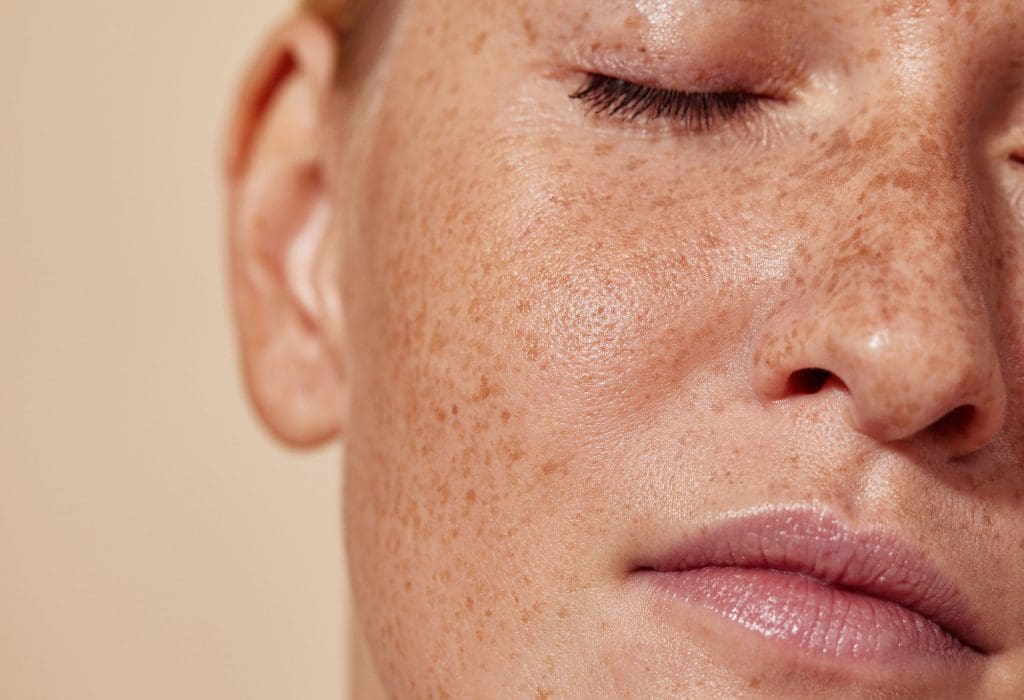
Many aspects of skin health and ageing can be measured – skin hydration, transepidermal water (barrier function), elasticity, UV damage, skin texture (smoothness, roughness), fine lines/wrinkles and skin glow5.
Different dietary components or bioactives have been investigated in relation to different aspects of skin health and appearance with varying results. Some of the most common are reviewed below here.
Collagen
Collagen is one of the most extensively studied compounds in skin ageing and is the body’s most abundant protein, with Type I collagen predominating in skin5. Proposed mechanisms of action include stimulation of fibroblast cell activity and increased synthesis of collagen, elastin and hyaluronic acid4.
Dietary collagen is derived from animal and marine sources particularly, bone, skin and scales while supplements are often provided as hydrolysed collagen where the protein is broken down into smaller peptides and amino acids to improve digestion and absorption. While there is evidence to suggest low molecular weight peptides may be absorbed intact across the intestine20, research gaps remain as to whether they reach the dermis and exert their effects directly5.
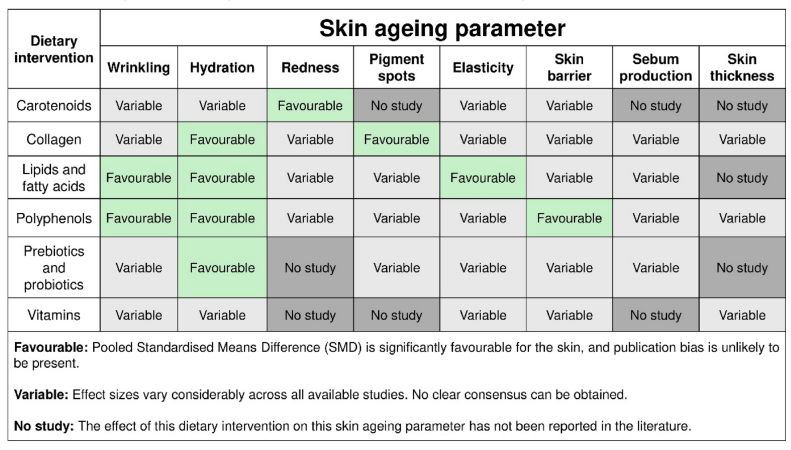
A 2025 meta-analysis of randomised controlled trials found that collagen supplementation significantly improved skin hydration, elasticity and wrinkles but that these benefits were not found in high-quality or non–industry-funded studies, suggesting potential bias in the overall findings21. A second meta-analysis reported similar conclusions for wrinkle reduction and bias but found statistically significant improvements in skin hydration and pigmentation22. As many clinical studies are short-term and small in sample size there is a need for larger, high-quality trials to confirm efficacy, particularly for wrinkle reduction and elasticity.
Hyaluronic acid (HA)
HA is produced by keratinocytes and fibroblast cells in skin, has exceptional ability to bind water and is commonly used in skincare formulations and dermal fillers23. On digestion, oral HA is broken down into smaller fragments (oligo- and monosaccharides) but whether these fragments are absorbed and reach the skin has received little attention5.
Trials involving HA supplementation show improvements in skin hydration, elasticity and wrinkle depth but small sample sizes and significant differences between various trials make conclusions difficult23.
Polyphenols
This term covers a wide variety of plant compounds including green tea catechins, quercetin, resveratrol, chlorogenic acid and naringenin.
A meta-analysis of mostly randomised controlled trials showed overall, dietary polyphenols improve skin hydration, barrier integrity and reduce wrinkle formation with mechanisms such as protection against oxidative stress, reduced inflammation, stabilisation of barrier lipids and preservation of the collagen structure being proposed.
However, while these results point towards some common mechanisms of action for polyphenols, more studies are required on individual polyphenols, particularly if substantiation of skin health claims is required.
Pre-, Pro- and Postbiotics
Their role in modulating inflammatory responses and promoting skin barrier integrity is the subject of a growing body of research24,25 but few have considered the impact on aspects such as wrinkle formation.
In one study of 100 participants, oral supplementation with Lactobacillus plantarum HY7714 improved skin hydration and reduced wrinkle depth26. In an 8-week trial in 88 Japanese women, soymilk fermented by Bifidobacterium breve strain Yakult and Lactobacillus mali resulted in significant improvements in the maximum and average depth of wrinkles compared with the control27.
As effects can be strain specific for probiotics, meta-analysis which include diverse strains may be of limited use and trials need to be replicated and benefits proven using the same strain.
Oral postbiotic supplementation studies are also emerging with one small RCT in healthy women showing benefits on aspects of skin appearance28, while another demonstrated benefits in reducing transepidermal water loss29.
Table 1. Summary of meta-analytic evidence for dietary interventions on skin ageing parameters22. Reprinted under the terms of the Creative Commons CC BY license
Beyond Sunscreen: Feeding the Skin’s Natural Defences
In recent years, skin photoprotection has increasingly been viewed through a more holistic lens, extending beyond UV filtration to encompass DNA repair mechanisms, antioxidant defence and personalised behavioural strategies informed by individual risk profiles and genetic susceptibility30.
There has been growing interest in “inside-out” photoprotection, combining oral and topical nutrients and botanicals to support skin health and reduce UV damage31. Researchers have attempted to quantify the photoprotective effect of certain nutrients by measuring changes in the minimal erythema dose (MED)—the amount of UV radiation required to produce sunburn.
A systematic review of the photoprotective effects of food supplements concluded that the greatest evidence existed for polyphenols, carotenoids and Polypodium leucotomos (polyphenol extract)32 but in general current evidence is limited by small sample size and short duration which can also make it difficult to assess bias.
More specific analysis shows the available evidence for photoprotections for Astaxanthin, a naturally occurring keto-carotenoid, found in some bacteria and microalgae33, lycopene (in tomatoes)34 and green tea catechins35.

However, the effects may be modest and there is limited evidence that supplementation alone is effective in providing sufficient photoprotection. The most important prevention strategies remain reducing UV exposure using measures such as applying sunscreen, covering skin and staying in the shade.
In future, dietary interventions or supplementation could be considered as a complementary line of defence, especially for individuals at risk such as those who work outdoors or those diagnosed with deficiencies. Future research is necessary to determine optimal safe doses and supplementation duration for intended photoprotective outcomes.
The Future of Skin Nutraceutical Research
With the proportion of the global population aged over 60 projected to nearly double to 22% by 205036, interest in maintaining both skin health and appearance — and the research supporting this field — is likely to continue growing. Some areas of particular interest are highlighted.
- Skin is increasingly viewed as a visible indicator of systemic ageing. Researchers are now studying skin ageing using frameworks from longevity science, including cellular senescence, mitochondrial dysfunction, oxidative stress, telomere shortening and inflammaging10. Future nutraceuticals will target these biological hallmarks of ageing rather than simply focusing on cosmetic changes.
- Personalised strategies that integrate wearable tracking technologies with diagnostic tools, genetic information and lifestyle coaching are also on the horizon37.
- The gut-skin axis is emerging as a new focus for anti-ageing research suggesting that microbiome dysbiosis contributes to “inflammaging”, while microbial metabolites like short chain fatty acids and anti-inflammatory cytokines may affect collagen synthesis, immune signalling and oxidative stress in the skin38.
- As rapid weight loss becomes increasingly common due to the rise of GLP-1 medications, interventions that help address their impact on skin structure and elasticity may also become a target for beauty from within39.