Soy has received more attention in the past few years due to the growing popularity of plant protein and plant-based diets.
However, there have also been mixed messages about soy in the media over the past few decades, which leaves many people confused about soy’s role in health.
“Is soy unhealthy or healthy?” is the common question this article will answer based on recent science.
What is Soy?
Soy is a plant that originated in Asia and is now grown in many places around the globe.
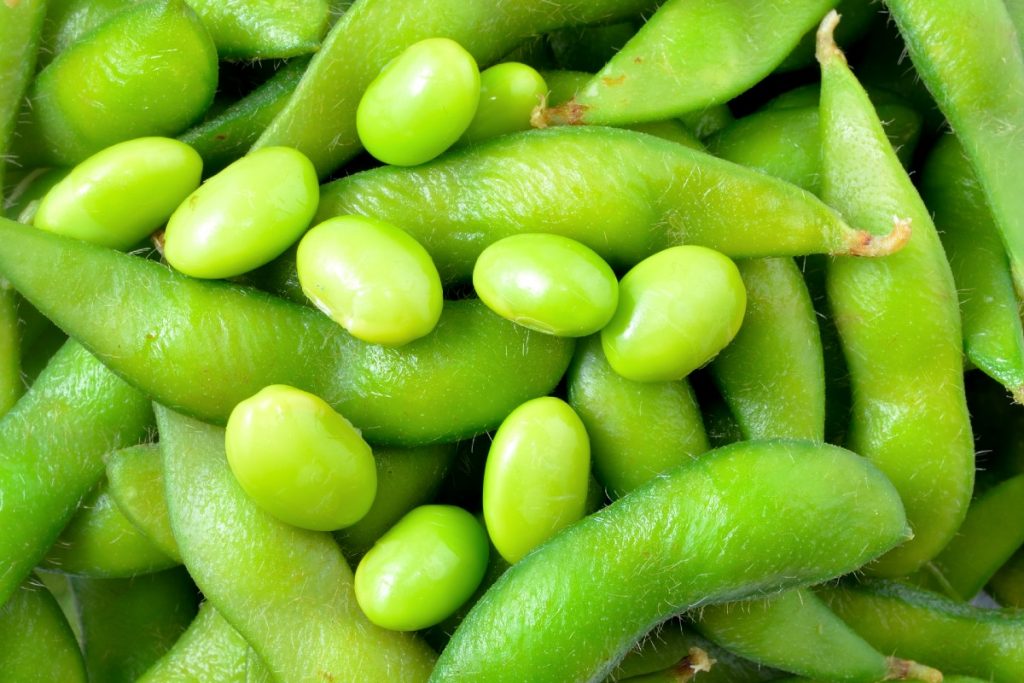
The plant’s beans (the soybeans) can be eaten on their own (like edamame) or used to make soy foods (like tofu, miso, tempeh, soy milk and soy sauce).
Soy flour and protein are also added to many prepared foods, from breads to breakfast cereals to energy bars.
Soy contains high amounts of isoflavones, which are phytonutrients. Phytonutrients are compounds found in plants that have actions in our body, but are not vitamins or minerals.
Isoflavones belong to a group of substances called phytoestrogens (plant oestrogens). As the name implies, they can have certain actions in our body that are similar to the human hormone oestrogen, but with much weaker effects.
Because oestrogen can play a role in breast cancer development and survival, there have been many questions raised about the risks and benefits of diets high in soy.
Is Soy Unhealthy or Healthy?
The main takeaway from published research is that soy is a nutritious food.
Science shows that typical consumption of soy (1-2 servings of soy-based foods or drinks per day) in a balanced diet is unlikely to cause harm, and may provide health benefits, to the general public.
Soy as a food is:
- Low in calories and saturated fat
- Rich in high quality protein, especially among plant protein sources
- High in fibre
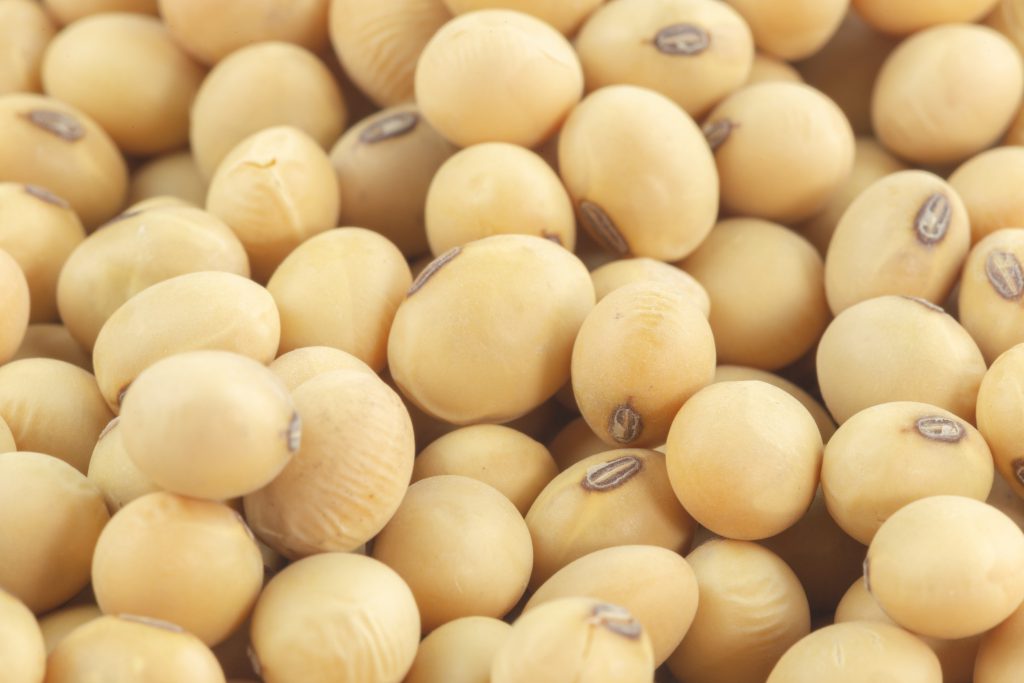
Just 100 grams of raw soybean (less than half of a cup) contains (USDA Food Composition Database):
- 13 grams of protein
- 4 grams of dietary fibre
- 3 grams of polyunsaturated fatty acids
- 20% daily value of calcium and iron
- 48% daily value of vitamin C
- 18% daily value of potassium
Dietary guidelines around the world encourage most of these are nutrients in the diet, solidifying soy’s role in a healthy diet.
These traits make soy a great food to include in a balanced diet.
In the sections below, we review the specific roles soy has in health.
It is important to note that, although research shows that consuming soy can improve some health outcomes, soy is considered an allergen and would be inappropriate to consume for those with a diagnosed allergy to soy.
Soy as a Plant Protein Option
Soy is a healthy source of plant protein for most people.
When it comes to choosing a plant protein source, protein quality is one of the key deciding factors.
Protein quality is a measure of how the amino acid content of a protein measures to what the human body needs, as well as how digestible that protein is.
As shown in the graph below, soy is one of the few plant-based proteins that is equivalent in quality to animal-based proteins.
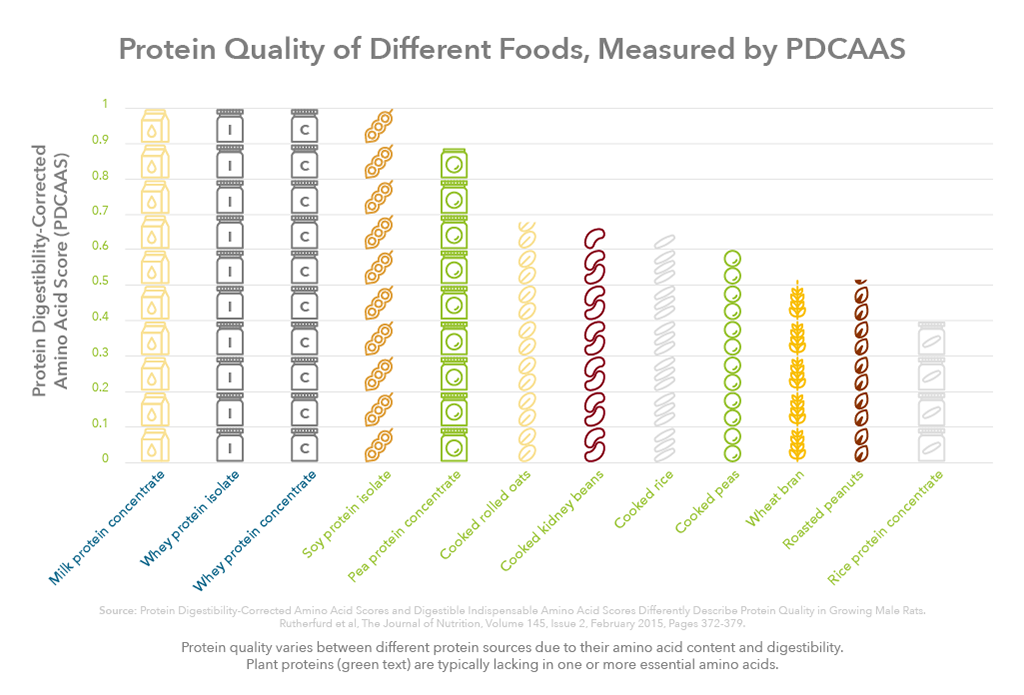
This is because soy contains all nine essential amino acids in significant amounts.
This can be useful for vegans, as other vegan sources of protein are often low in the essential amino acids lysine and methionine.
It can also be helpful in achieving protein claims in certain parts of the world. For this reason, soy is often a great choice for a plant-based protein in foods and beverages.
Soy, Oestrogen and Cancer
- Overall evidence from human studies shows that consuming soy doesn’t increase the risk of cancer.
- Recent research has found that consuming 1-2 portions of soy per day does not cause any harm for breast cancer survivors.
- Soy is considered to be safe for men to consume and does not affect testosterone concentrations.
What is the relationship between soy and development of breast cancer?
It is not likely that eating moderate amounts of soy foods increases the risk of breast cancer.
The majority of high-quality studies and analyses have found that eating soy foods does not increase risk, even when eaten at levels much higher than those typically consumed in countries like the US(Trock 2006, Wu 2008).
Many studies suggest that soy may help protect against breast cancer (Trock 2006, Wu 2008).
Results from an analysis that combined findings from multiple studies in Asian populations found that soy may have a protective effect on breast cancer incidence.
However, when the same analyses were done in studies of US and other Western populations, there was no link between soy and breast cancer risk (Wu 2013).
It seems the benefit only comes with a pattern of intake that is seen in most Asian countries, where women begin eating soy early in life and eat it in amounts many times greater than typically seen in the US.
In Japan, for example, soy intake ranges from 38 g to around 78 g per day, equivalent to 26 to 54 mg isoflavones. In the US, soy intake ranges from less than 1.5 to 4.3 g per day, or 1 mg to 3 mg isoflavones (Nagata 2010).
As a breast cancer survivor, is soy safe?
Current studies suggest that eating moderate amounts of soy foods is safe for breast cancer survivors (Shu 2009, Cassileth 2012, Nechuta 2012).
Evidence suggests that a diet high in soy may improve survival and lower the risk of recurrence in women with breast cancer. The benefits don’t appear to be limited to Asian populations, either.
One analysis combined data from three large, long-running studies of survivors from both Asian and Western countries.
It found that women who ate at least 10 mg of soy isoflavones per day after a breast cancer diagnosis had a 25 percent lower risk of recurrence compared to those eating less than 4 mg soy isoflavones per day (Nechuta 2012).
An analysis of 6235 breast cancer survivors found that, after 9.4 years after diagnosis, soy intake did not increase risk of mortality.
The study found that those with the highest soy consumption had a trend toward reduced risk of mortality, although these results were not statistically significant (Zhang 2017).
Soy and Heart Health
Research has shown soy intake has a role in reducing LDL and total cholesterol, both of which are outcomes linked to improved heart health.
A scientific review of 46 studies on soy’s role in heart health was published in 2019 (Mejia 2019).
In the study, researchers found that consuming soy protein at a dose of ~25 grams per day led to a decrease in LDL cholesterol of 4.76 mg/dL (3-4%) and a decrease in total cholesterol of 6.41 mg/dL over 6 weeks, which could be considered a clinically significant reduction.
Around 75% of the studies reviewed showed a positive effect for consuming soy protein, according to the researchers.
This review is important in helping solidify the role of soy protein in heart health and counter the unwarranted negative perception of soy among many consumers.