Not only is good nutrition important for over-all health and well-being, it is also important for eye health. Over the years, researchers have noted that diet and lifestyle can directly impact on ocular health.
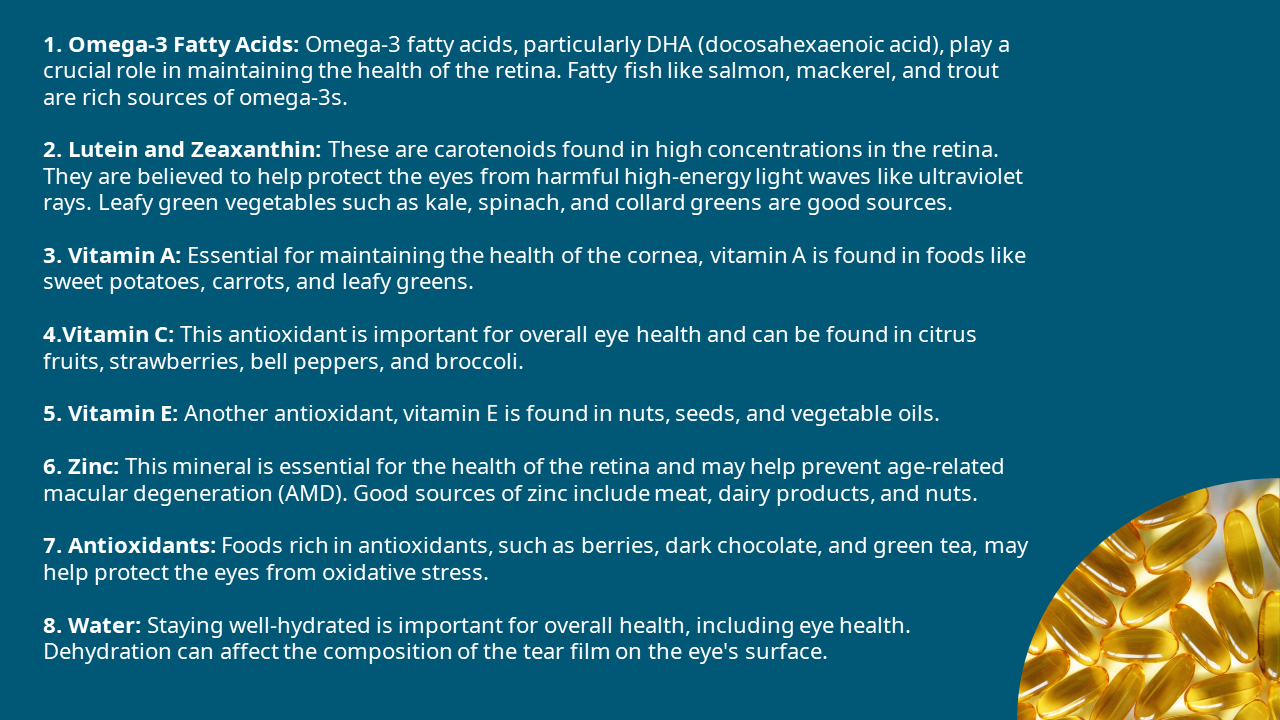
Several publications have highlighted that some nutrients that can assist with good eye health include antioxidants, omega 3 fatty acids and minerals such as zinc1,2.
Omega-3s are essential fats that the body cannot make itself – so they must be sourced from food. They help build cell membranes in the body and also help with processes such as blood clotting, inflammation and the contraction of blood vessel walls (such as arteries)3.
Zinc helps make DNA (which creates the genetic material that is in cells) and also helps create proteins in the body and assist with wound healing.
To get more information about zinc and it’s sources, check out the KHNI article on Immunity nutrients: Immunity Nutrients At-A-Glance: Zinc – Kerry Health And Nutrition Institute
What Are Antioxidants and How Does They Support Eye Health?
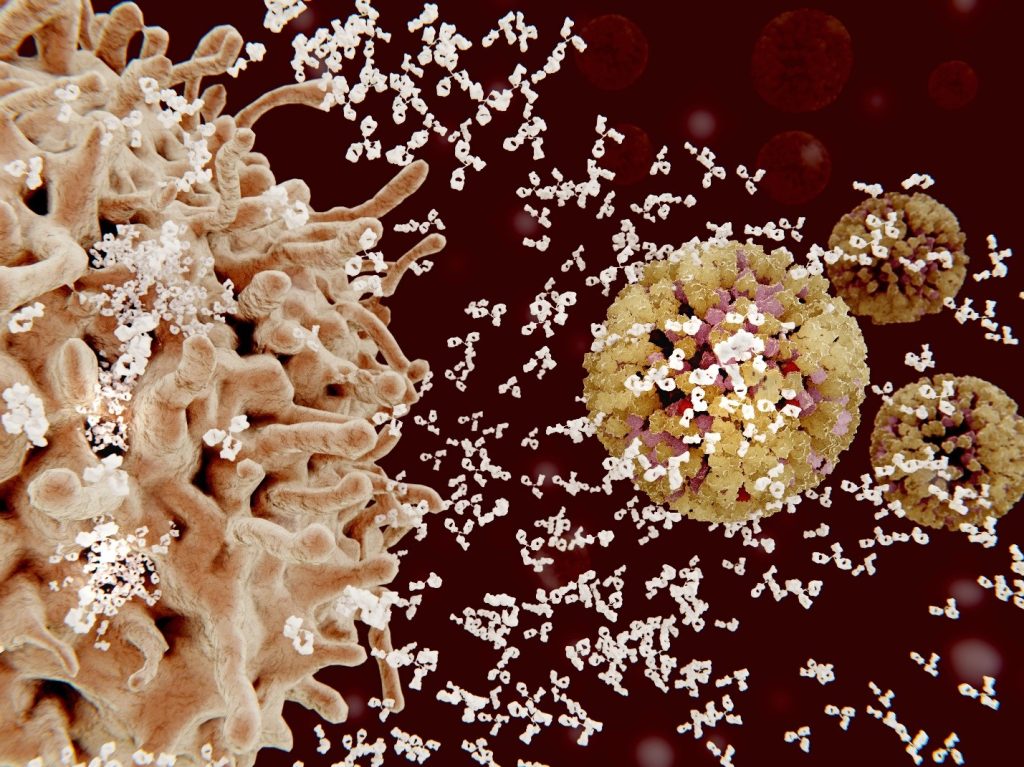
An antioxidant is a molecule that helps protect cells from what are known as “free radicals”4. Free radicals are essentially unstable molecules that can build up and cause damage to areas of the body such as DNA, lipids and proteins5.
Free radicals can accumulate in the body from normal metabolic activities, but also exposure to air pollutants, chemicals and can be a consequence of cigarette smoking6-7.
It is important to protect the body against these “free radicals,” this is where consuming antioxidants come in. Examples of antioxidants include vitamin C, vitamin E and vitamin A (which includes carotenoids such as Lutein & Zeaxanthin).
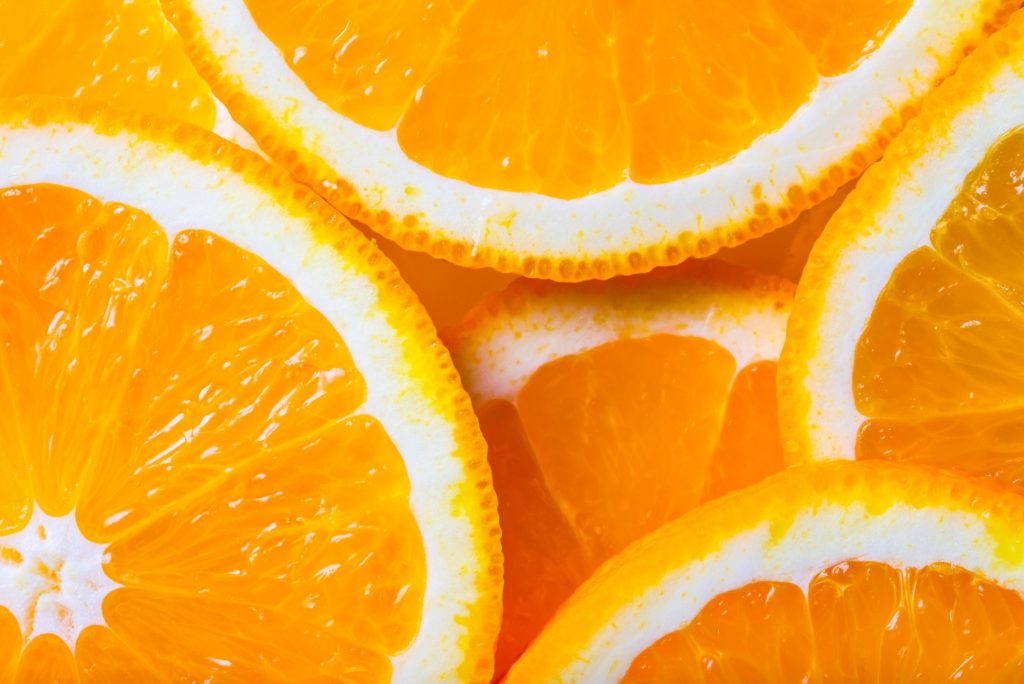
Not only do colourful fruits and leafy green vegetables contain antioxidants, they also contain a variety of other beneficial vitamins and minerals that support overall health and nutrition8. For example, oranges contain vitamin C, almonds contain vitamin E. Lutein and Zeaxanthin can be found in leafy green vegetables2-4.
With the understanding of what antioxidants are and what foods contain them, its important to understand how this relates to eye health. Antioxidants help combat free radicals, if there are too many free radicals present, this can kick off a process known as oxidative stress5.
The eye as an organ can be particularly exposed to oxidative stress as the eyes are often exposed to the elements. From light exposure to general environmental exposure, the eyes go through a lot daily9.
With ageing, the natural ability to combat this oxidative stress decreases. This can cause us to develop age related eye conditions such as age-related macular degeneration (AGM), diabetic retinopathy and cataracts10.
Age-related macular degeneration (AMD) is one of the most common vision impairments with age, approximately 50 million people suffer from it worldwide. It can cause a blurry area near the centre of vision.
There are two types: dry and wet. Dry AMD causes gradual vision loss and can cause yellow deposits under the retina. The wet type AMD can impact the blood vessels that supply the eye, this in turn could cause issues which lead to further vision loss9.
Cataracts are a clouding at the lens of the eye and can also occur with ageing.11 Diabetic retinopathy is a consequence of having diabetes. This is where the blood vessels behind the eye are not delivering sufficient blood and oxygen to the back of the retina- causing vision problems12.
With an ageing population, conditions such as macular degeneration, cataracts and even diabetic retinopathy could potentially become more common place. This is why it is important to aim to follow a balanced and healthy diet to reduce the impact these conditions may have in everyday lives.
Beyond Nutrition, What Else Can Help Improve Eye Health?
Along with good nutrition, there are several other methods we can utilise to take care of the eyes. Nutrition and movement go hand in hand for general health and well-being. This can also play a beneficial role in the health of the eye. Along with helping blood flow around the body it can give other benefits too such as increased metabolism and better sleep.

Screen time should be managed safely, where possible. The 20/20/20 rule – this rule advises to take a break from screens every 20 minutes, look about 20 feet away for 20 seconds- helps reduce tiredness in the eyes.
To give eyes a rest – more to be found here: Healthy Vision Tips | National Eye Institute (nih.gov).
Lastly, as much as possible, it is advised to avoid smoking. Smoking can increase oxidative stress in the body which does not help with eye health and general health as well6-7,13.
Summary
Healthy lifestyle habits, including regular exercise, limiting screen time, protecting the eyes from UV exposure and avoiding smoking, help maintain optimal vision and reduce the risk of common eye conditions.