Staying at home with minimal human contact can significantly increase our feelings of loneliness.
People of all ages may experience loneliness. However, older people, particularly those living alone, are especially vulnerable.
Loneliness and social isolation can negatively impact our mental and physical health (1), in part through adversely affecting behaviours like healthy eating and physical activity.
How Social Isolation Impacts Eating and Nutrition
Food and social interaction are deeply intertwined. Food is often shared and represents a way of connecting with others: eating together at mealtimes, cooking for loved ones or feasting together during celebrations.
Social distancing means that these social aspects of eating have been temporarily removed for people living alone. In addition, feelings of loneliness, reduced accessibility to food and changes to normal daily routines can pose nutritional challenges.
Research shows that social isolation and loneliness are associated with reduced appetite (2), lower food intake (3), reduced physical activity (4) and increased risk of under-nutrition among older people (5).
On the other hand, while under-consumption of food is more common in socially isolated older adults, some individuals may respond to isolation by using food as an emotional coping mechanism leading to overeating.
In addition to affecting how much we eat, isolation also appears to affect what we eat.
Socially isolated older adults consume fewer fruits and vegetables (4) and eating alone more frequently is associated with lower dietary variety (6).
Cooking for one may reduce the motivation to cook and enjoy a “proper meal” (7) and instead older adults may opt for quick, nutritionally incomplete meals like tea and toast.

Mitigating the Impact of Isolation on Health
It is imperative that we engage in healthy behaviours to mitigate the harmful effects of the physical inactivity and isolation that can accompany staying at home.
Eating well, particularly in combination with physical activity, can prevent malnutrition and nutrient deficiencies, improve our feelings of well-being, help preserve muscle mass, strength and mobility, promote gut health, support the immune system and lower the risk chronic illnesses and infectious diseases (8).
Tips for Eating Well During Social Isolation
1. Take steps to combat loneliness to help prevent the adverse effects on appetite and food intake.
- Connect virtually – make frequent telephone or video calls to family and friends
- Structure your day and your sleeping habits – having a daily routine can provide a sense or normality and control
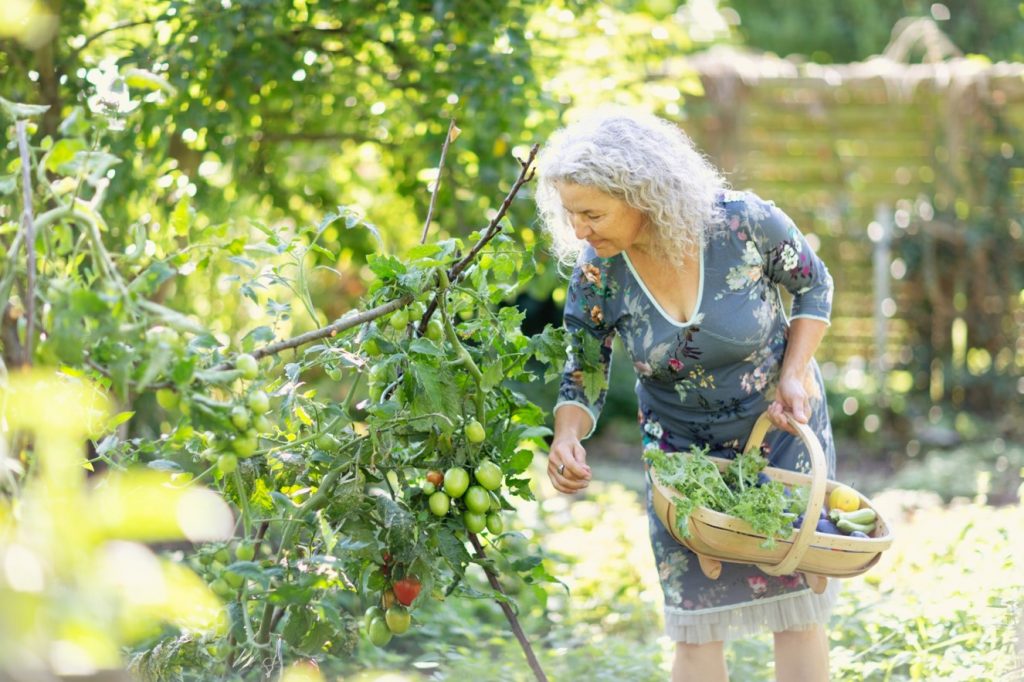
- Keep busy – brainstorm tasks and activities you can do from home (exercising, gardening, reading, cleaning, crosswords etc.)
2. Maintain good eating habits
- Keep a regular meal pattern – this can provide structure to your day and can help to create awareness around how much and what you are eating
- Plan meals ahead of time, and try to include high protein foods, whole grains, fruits, and vegetables at each meal
- Mix it up – try to eat a variety of different food rather than sticking to the same meals each day
3. Stay motivated when cooking for one
- Have a virtual lunch or dinner date with a friend or family member

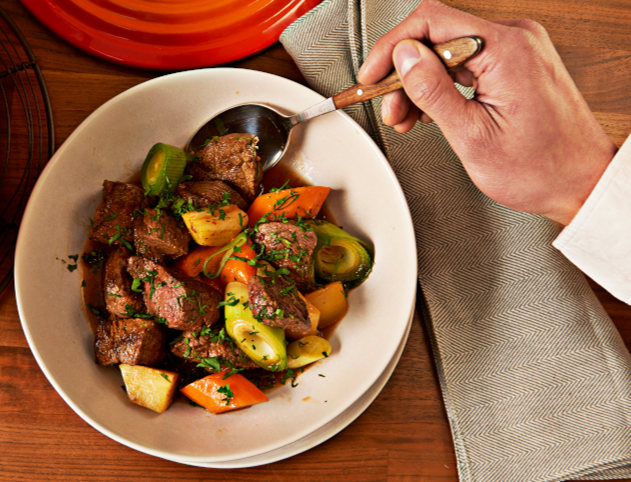
- Bulk cook easy-to-prepare, one-pot dishes like curries, stews and soups when you’re feeling energetic. Freeze individual portions for days when you don’t feel motivated to cook.
- Keep a well-stocked food cupboard so that you always have some ingredients to hand to make a simple meal
4. Check in with your appetite and your food intake
- If you find your appetite is lower than normal and / or you are unintentionally losing weight, try eating small, nourishing snacks frequently (e.g. high protein drinks, yogurts, crackers and cheese, or dried fruit and nuts) and add extra calories to meals (e.g. add milk, skimmed milk powder or cream to soups and mashed potatoes, or use full fat dairy products)
- Include physical activity in your day
- Speak to your doctor if you are worried or continue to lose weight
Adapting these Strategies to Improve Nutrition of Older Adults
For companies looking to adapt dietary strategies to improve nutrition of older adults, finding ways to increase dietary variety, nutritional density for smaller appetites, and frequent engagement can be key for success.
Sue McVie, who was Managing Director of Oakhouse Foods, outlined some ways she sees companies can bring the strategies from this article to life.
“Loneliness is a significant issue amongst the elderly consumer and can result in loss of appetite and poor nutrition.
From a nutritional perspective, we know that our customers’ appetites can be small. Some strategies that can be used to help maintain nutritional balance include more frequent, smaller portions like ‘mini-meals’ and ‘lighter bites’, as well as making sure there is a diverse range of foods offered to encourage dietary variety.”