Big data and the Quest for New Consumer Insights
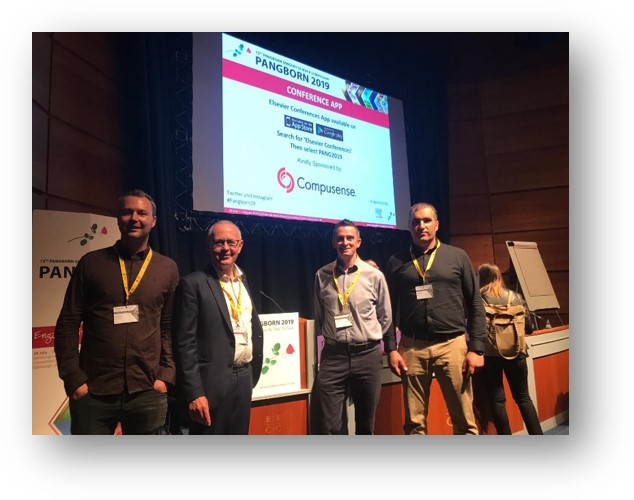
The theme of Pangborn 2019, a conference on sensory science and food preference held every 2 years, was ‘Engage with the future’. There was a broad acknowledgement among researchers and food industry leaders that the future is now, and for many this meant a move towards ‘big data’.
Whether using social media and e-commerce sites to access ‘real-world’ consumer insights (e.g. A. Arellano-Covarrubias, Mexico), or adopting machine learning algorithms to enable big businesses to stay relevant by innovating earlier and faster (e.g. L. Depoortere, Belgium), methods to harness big data were at the top of the agenda.
There was an important cautionary note to this trend, however, with others highlighting the inevitable trade-off between quality and quantity when acquiring these data, and urging businesses to consider how meaningful their big-data sensory and consumer insights truly are (e.g. T. Davis, UK).
Will Augmented Reality Help Place Sensory and Consumer Science in Context?
The relevance of traditional sensory and consumer methods and approaches was also a hot topic.
The continued development and reformulation of food and beverage products is increasingly important, but optimising the impact of these products on health and wellness will require a much stronger integration with nutrition and psychological sciences.
Despite clear sugar and calorie- reduction targets by governments world-wide, it was pointed out that we still do not know how best to label and present these reformulated products in a way that optimises consumer perceptions and behaviours (e.g. K. McCrickerd, Singapore).
One problem is that traditional sensory and consumers approaches often fail to set the right context (a problem of ecological validity).
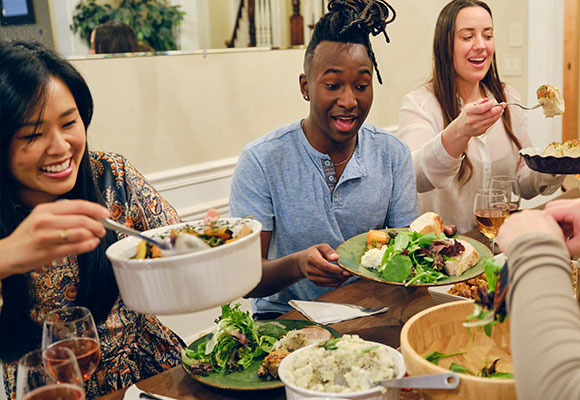
Whether consumption is at home (e.g. J. Delarue, France) or on the International Space Station (e.g. G. Douglas, USA) a consumer’s immediate environment, mood and motivations will impact how they perceive a food and the choices they make.
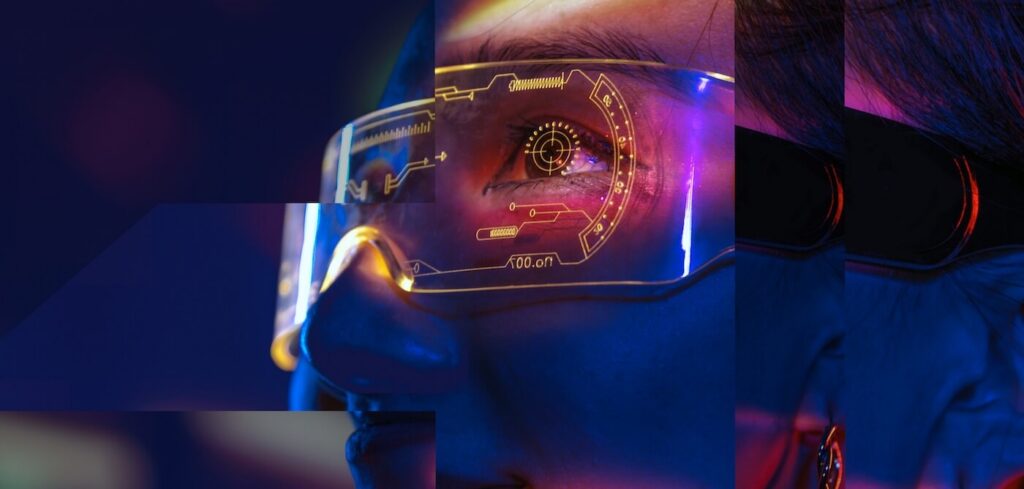
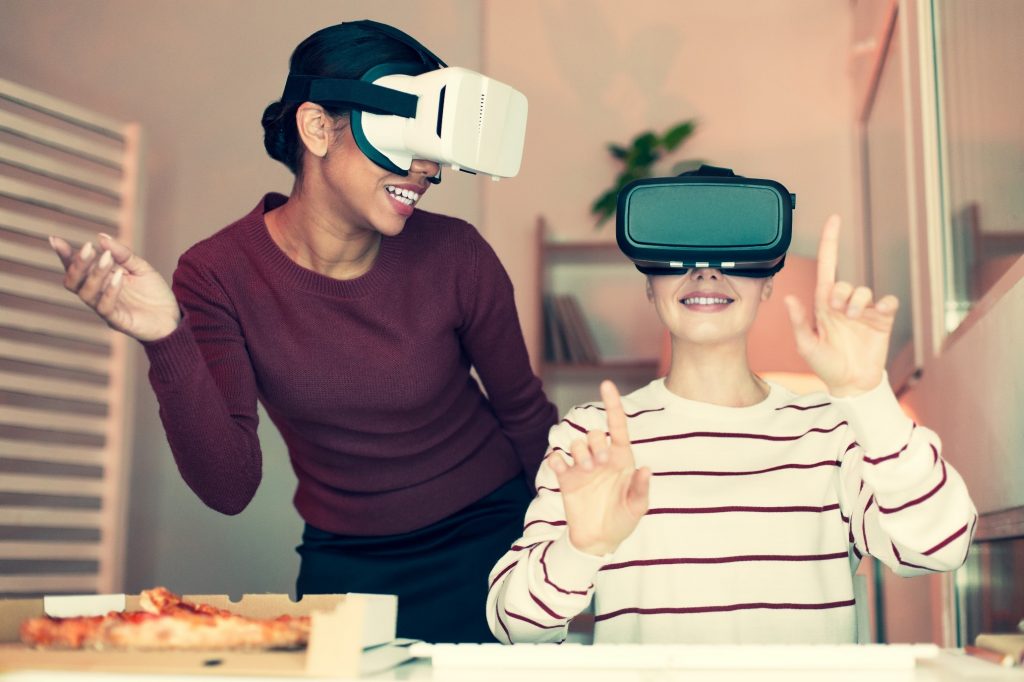
Businesses are exploring Augmented Reality (AR) as a way to evoke realistic contexts during sensory and consumer testing and involve consumers in the co-creation of packaging design (e.g. L. Hewson, UK).
While consumers appear to find this approach more engaging, realistic and enjoyable than traditional sensory and consumer tests, the true value-added from adopting this technology still remains to be seen.
A Stronger Focus on Integrating Sensory, Nutrition and Health
A key message from the meeting was the link between sensory perception and health related behaviours.
Food choices and intake decisions are informed by the sensory information perceived during consumption, and the taste, smell and texture are important in guiding our eating behaviours.
Several sessions at the Pangborn meeting focused on the impact of sensory cues on health, focusing on portion selection (e.g. M. Peng, New Zealand), texture cues and expected fullness (e.g. P. Varela, Norway) and new measures of oral processing behaviour (e.g. R. Srivastava, France).
Workshop entitled ‘Sensory Science as the Bridge between Consumer Behaviour, Nutrition and Health’ to highlight how sensory research is uniquely positioned at the nexus between food science, nutrition and consumer behaviour to better understand how perception can influence food intake, and be used to moderate the flow of energy and nutrients through our diets.
The workshop presented the latest findings at the interface of sensory and nutritional science, starting with a talk on the role of energy intake rate (kcals/min) in promoting calorie intake, and opportunities for sensory cues to support calorie reductions (C. Forde, Singapore).
Prof Kees De Graaf from Wageningen University (Netherlands) highlighted some common mis-perceptions about the role of sweetness in dietary energy intakes, while Prof. Robin Dando (USA) shared exciting new findings that demonstrate the impact of increased weight gain on the development of taste buds, and the impact taste sensitivity changes can have on food choices.
Finally, Dr. Nikos Pagidas from Kerry Taste and Nutrition highlighted a number of practical examples of sensory approaches to reformulating real products, while sustaining consumer appeal and satisfaction.